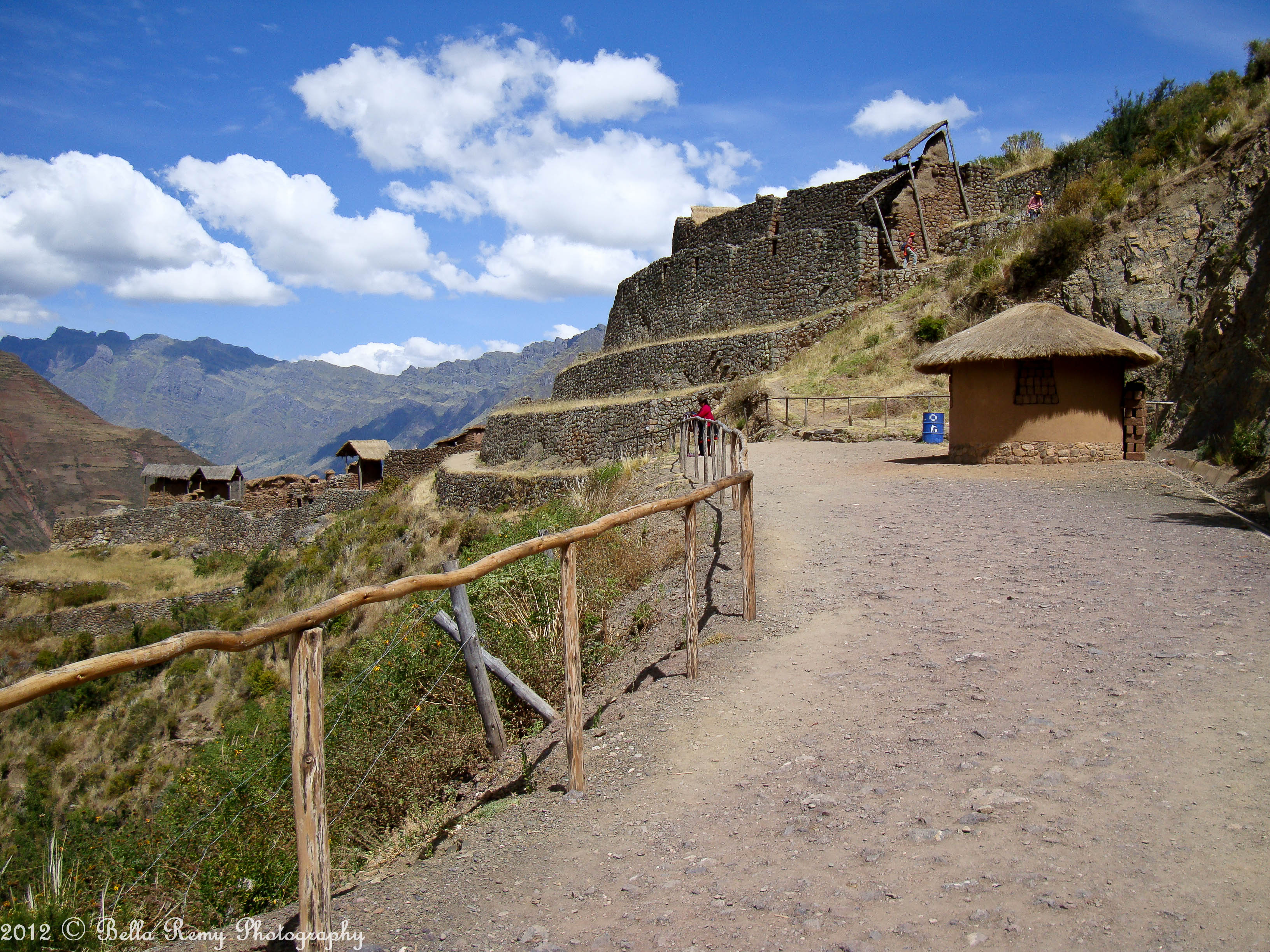
Nestled in the Sacred Valley is the ancient town of Pisac. Pisac is a favorite stop among international visitors with a vibrant market filled with textiles and other Peruvian goods for purchase. Taking the back road out of town, high on the mountain range stands the Inca ruins of Pisac. Some of the best ruins in the Sacred Valley region, these ruins have a marvelous view over Pisac and the Urubamba River.
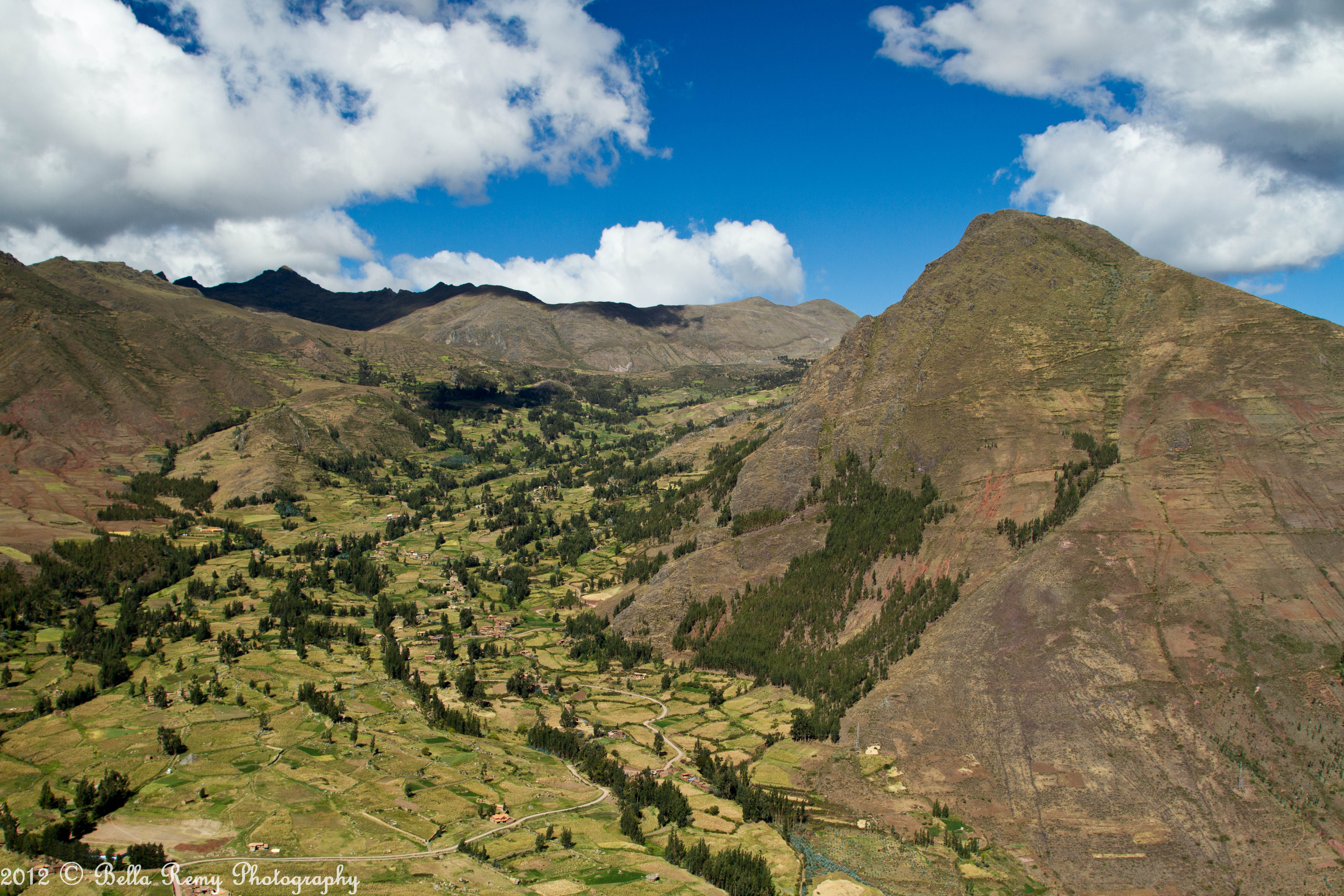
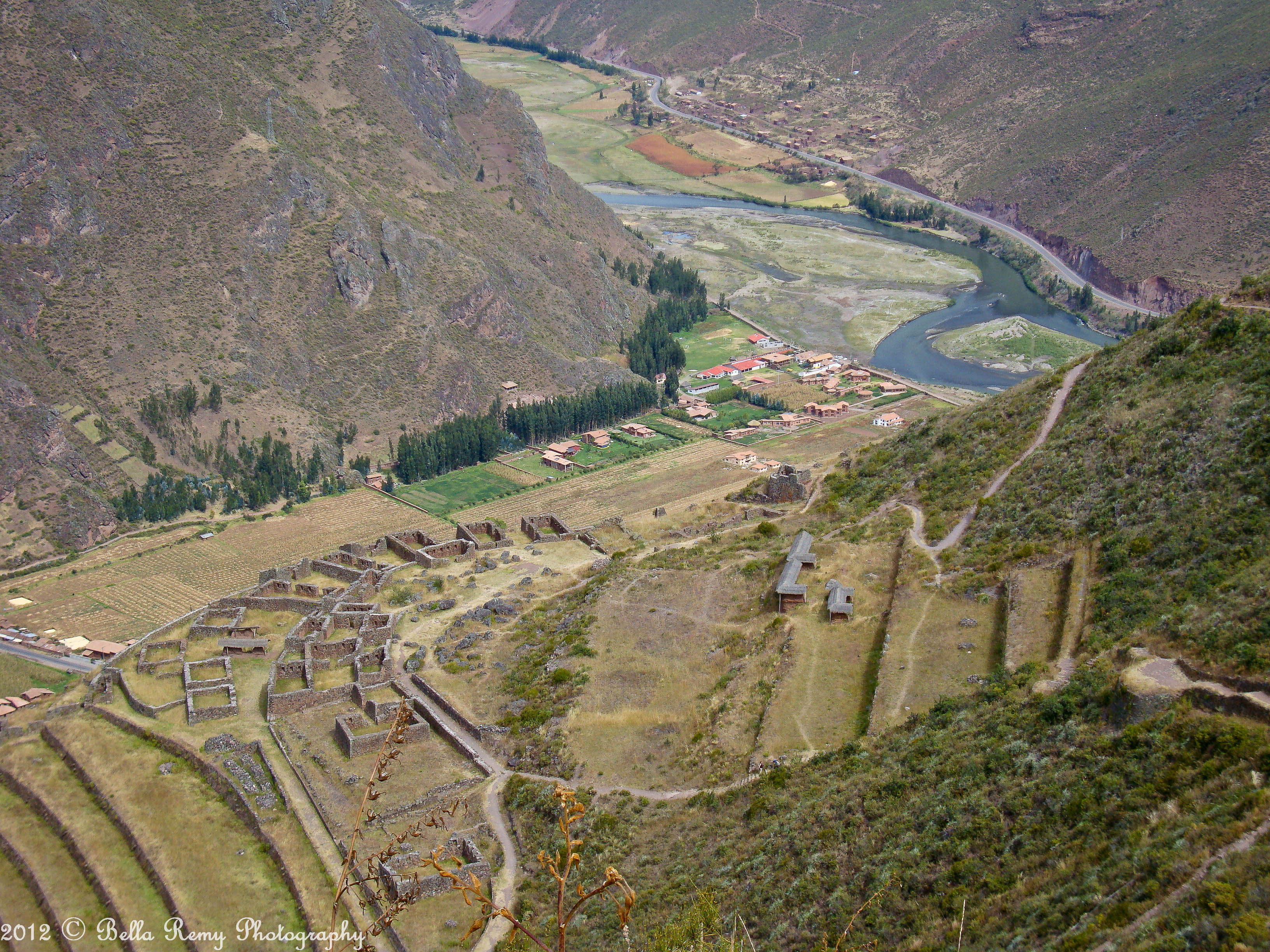
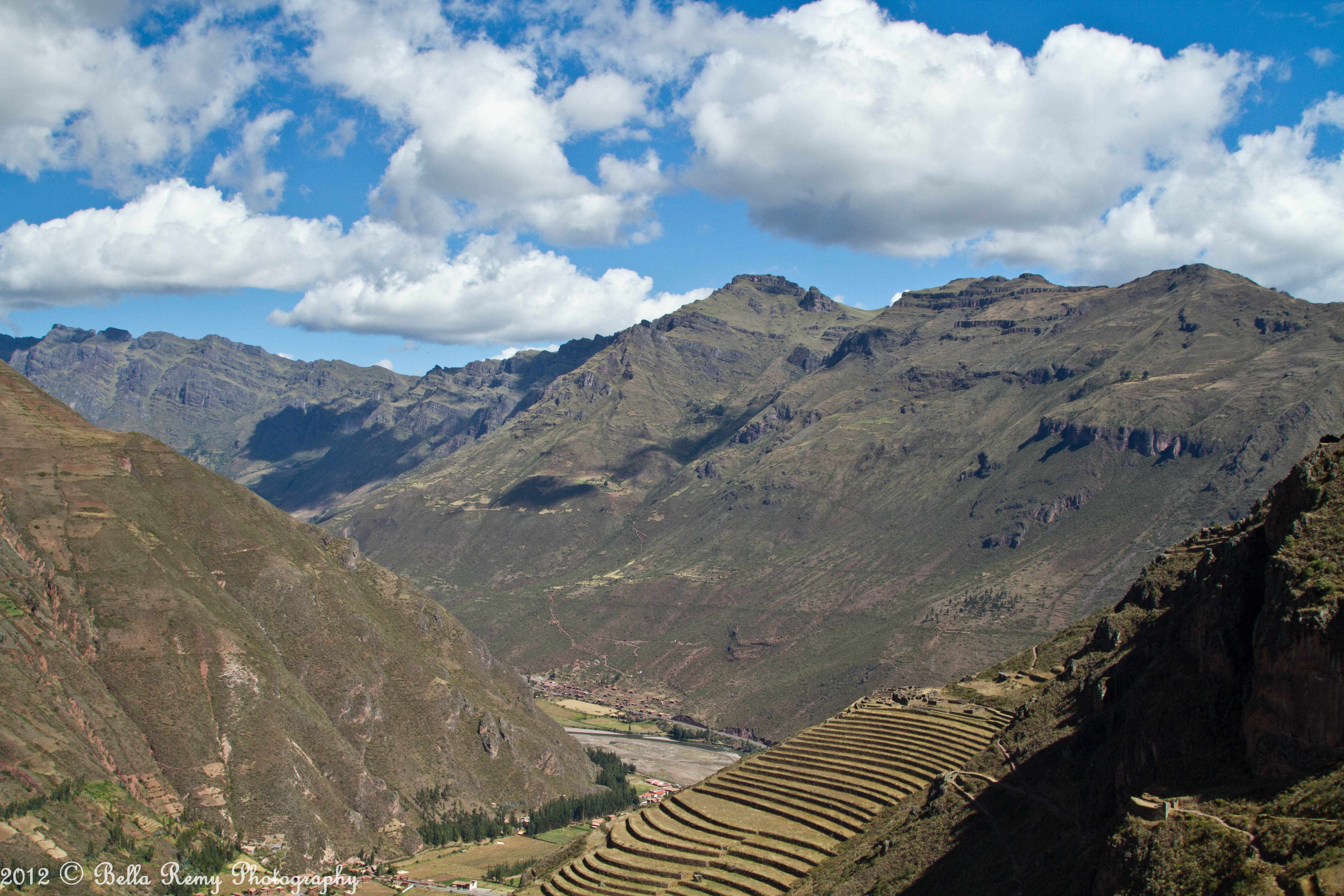
The ruins at Pisac show a complete Inca village including agricultural terraces, two residential areas, a sacred plaza and food storage areas. The location of Pisac ruins allowed the Incas to control the route that connected the Inca Empire with Paucartambo. (source: http://www.andeantravelweb.com/peru/destinations/cusco/pisac.html)
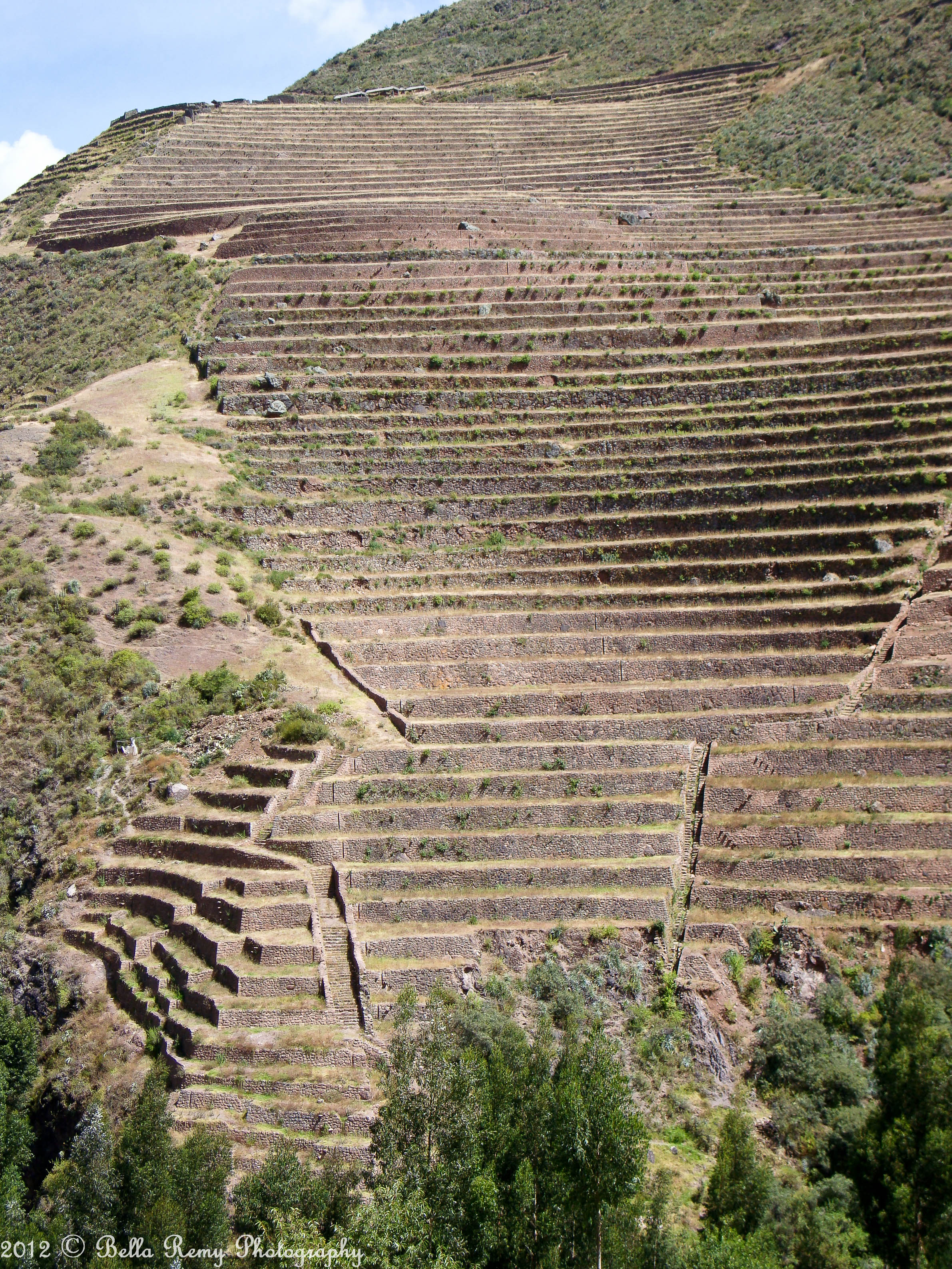
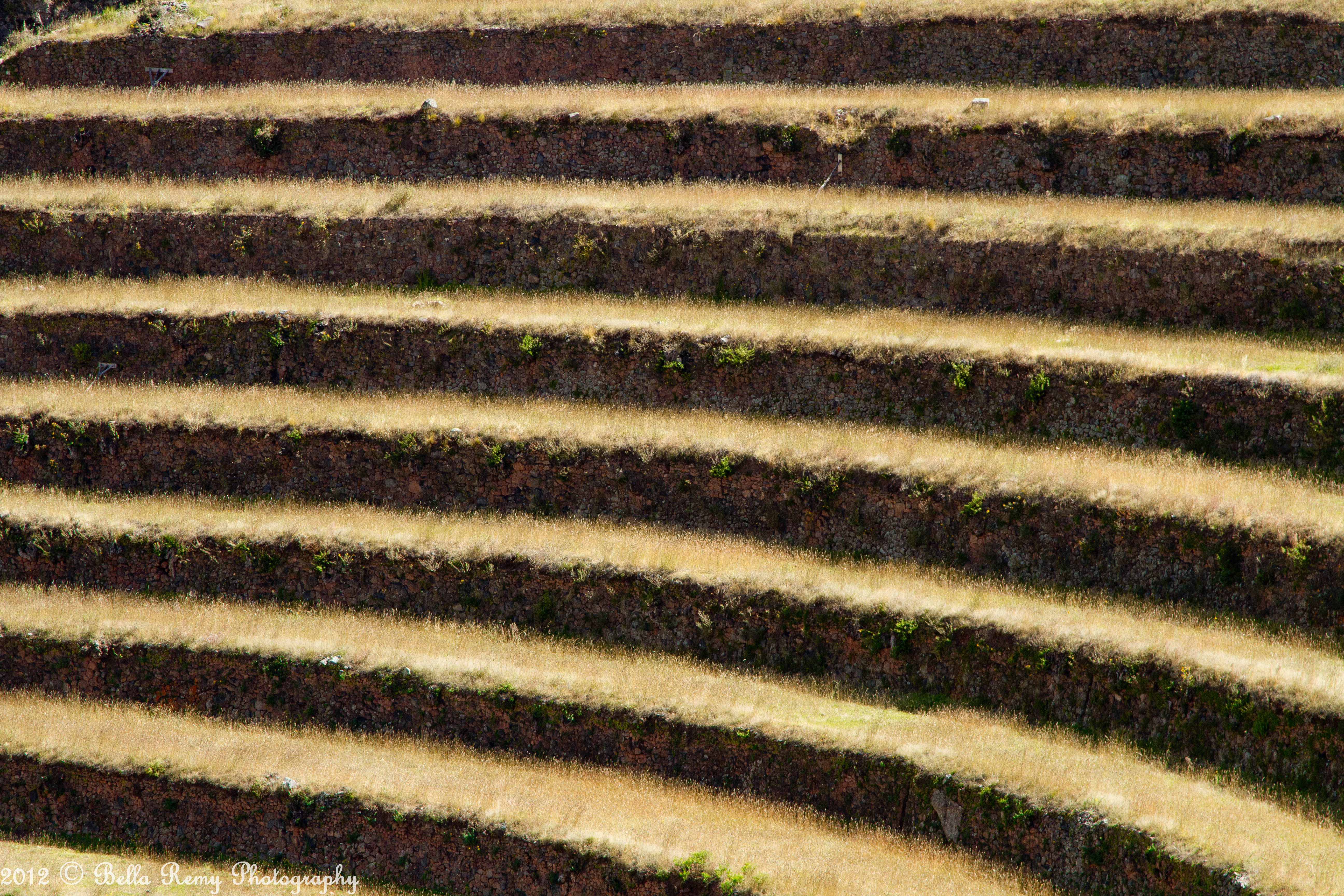
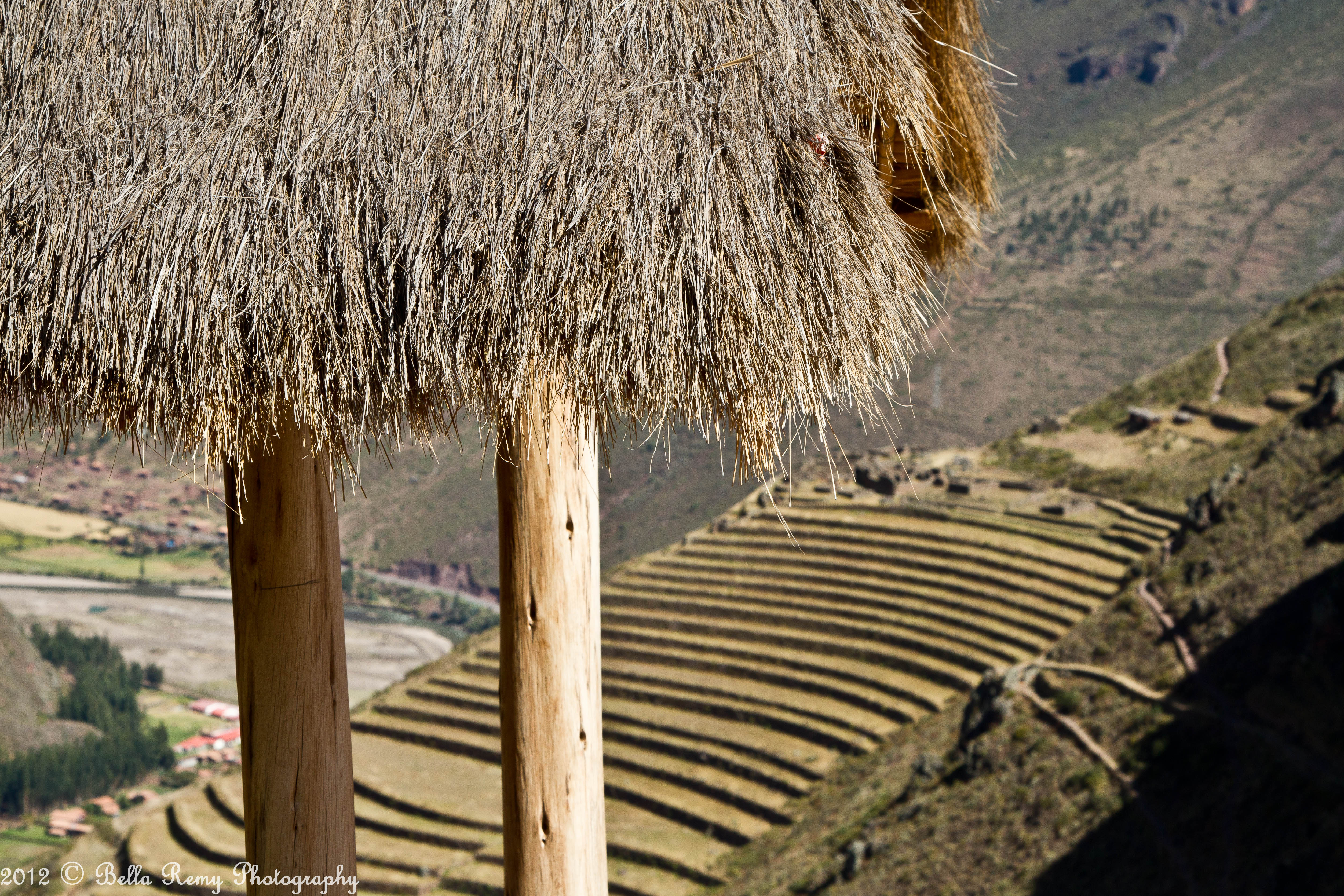
The agricultural terraces are nothing short of spectacular. Not only did they create these high on steep mountainsides, each terrace included an elaborate drainage system below the surface.
When the Spanish came and conquered the Incas, one of the first things the Spaniards did was destroy the most religious section within the sacred plazas throughout Inca villages. Known as the Intihuatana, or the Sun Hitching Post, nearly all are gone but two that can be seen are one here at Pisac, and the other at Machu Picchu.
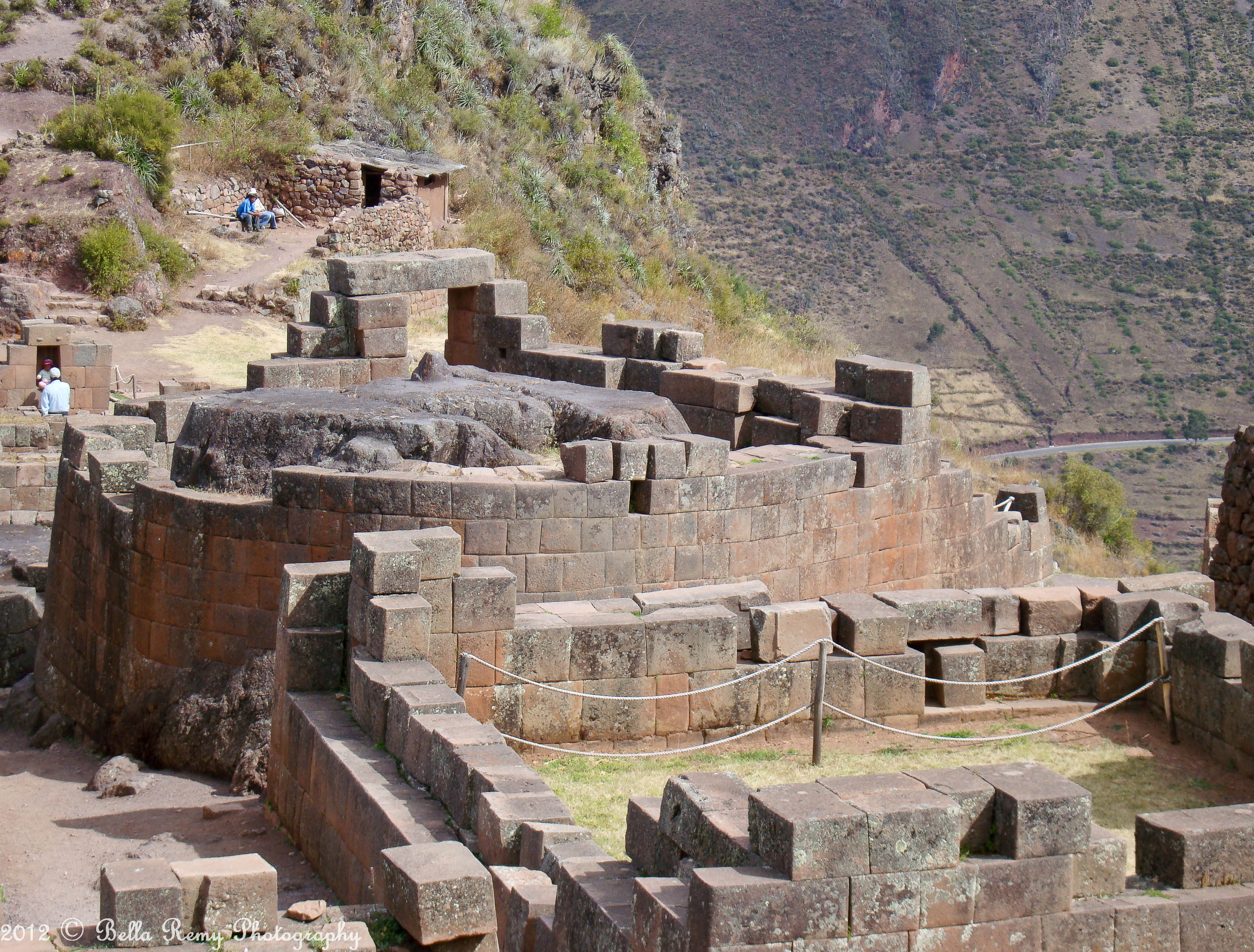
The Sacred Plaza at Pisac is clearly indicated by the refinement in the stone work.
Entryway towards the Sacred Plaza Area
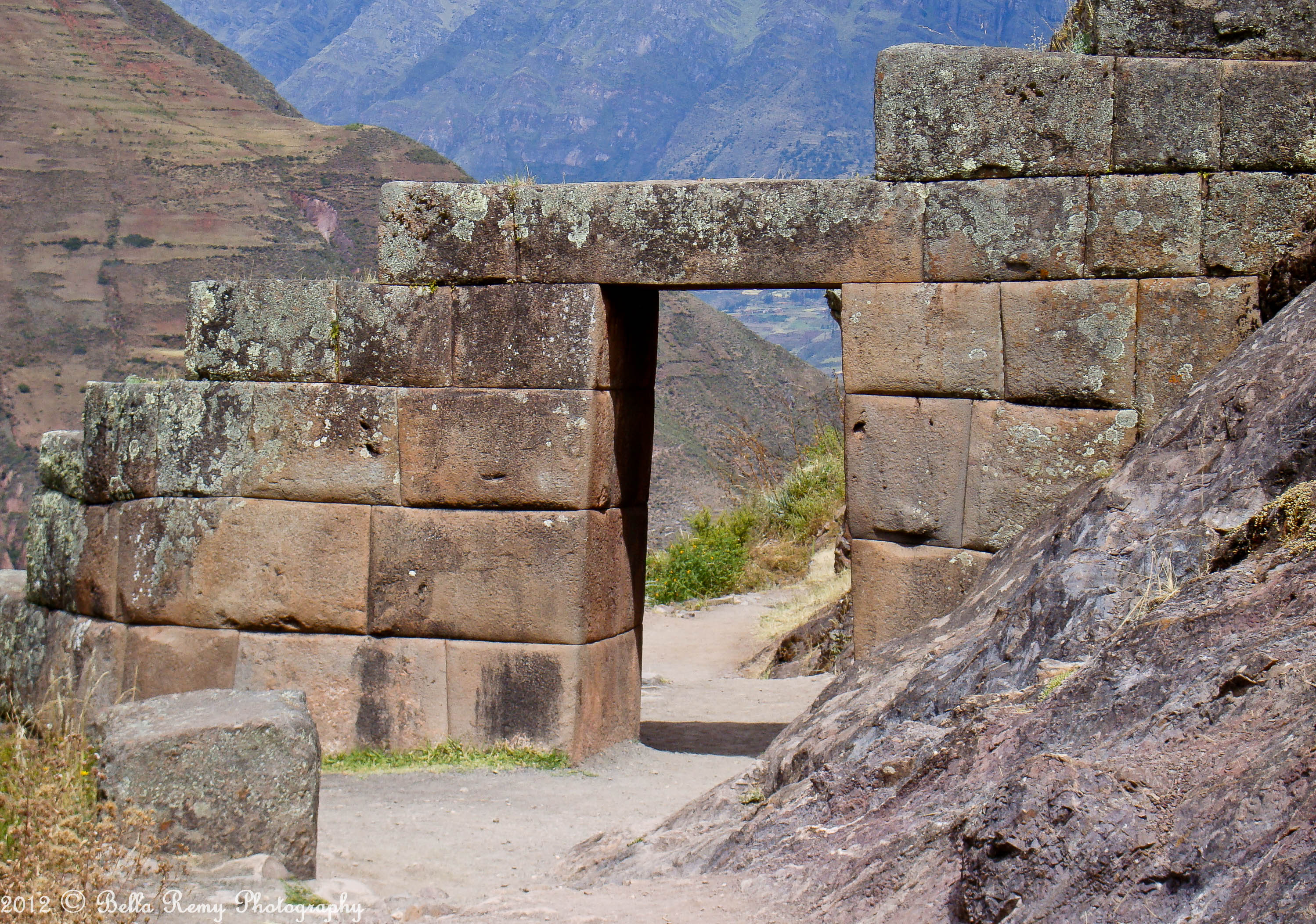
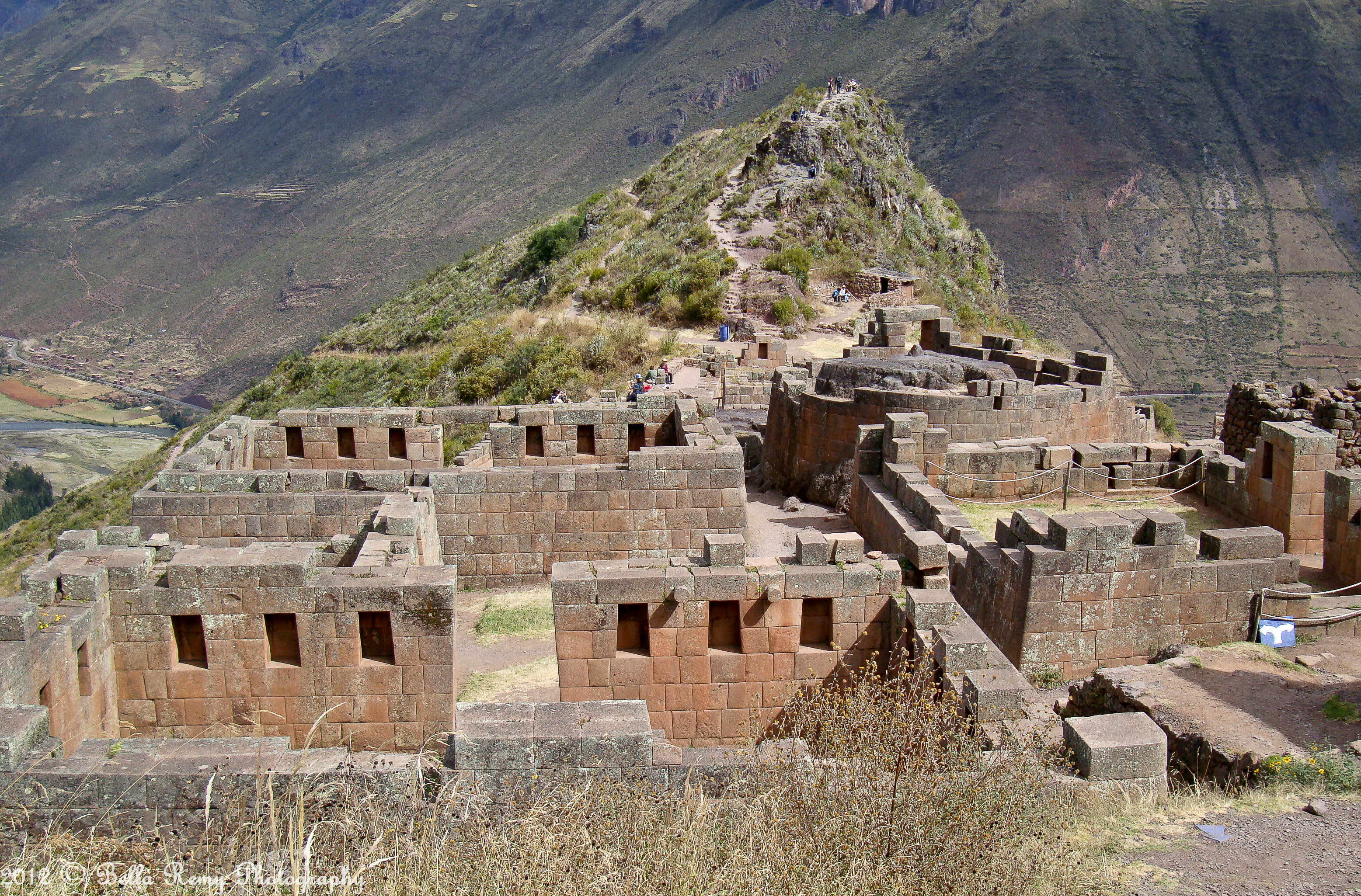
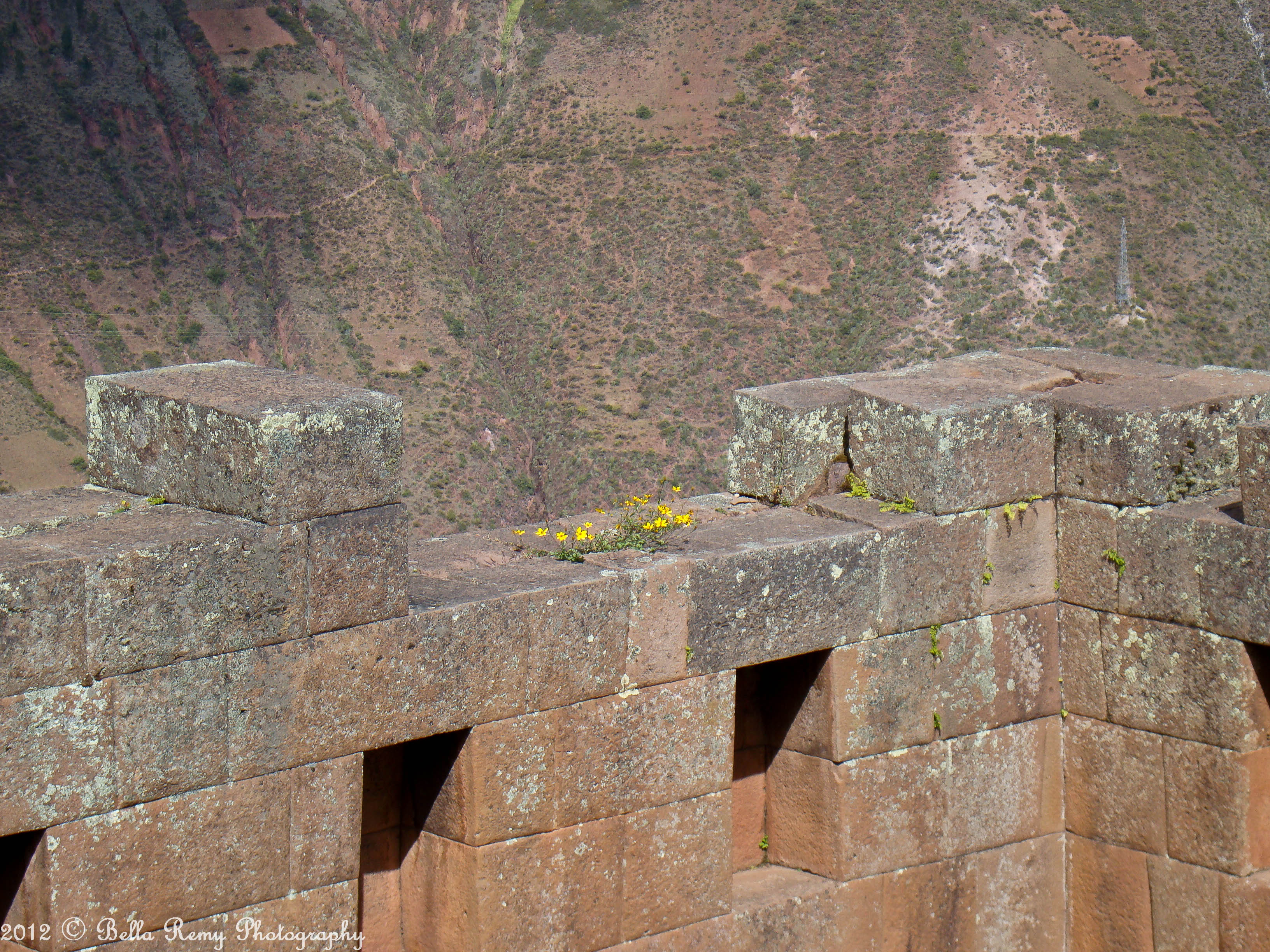
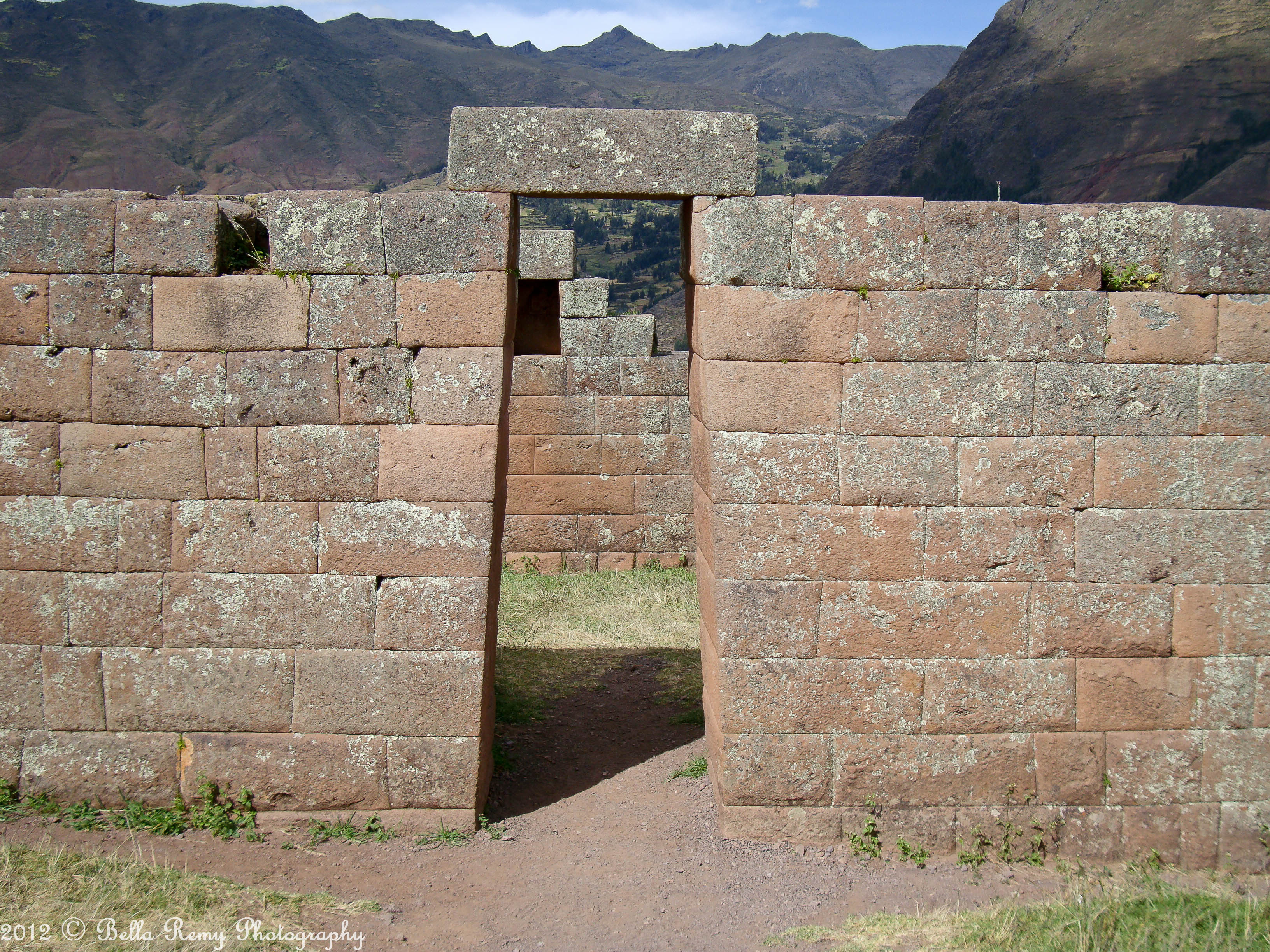
The Incas were engineering marvels, knowing how to maximize the water source and allow a drainage system that would put the Romans to shame, Pisac offers multiple fountains and waterways throughout.

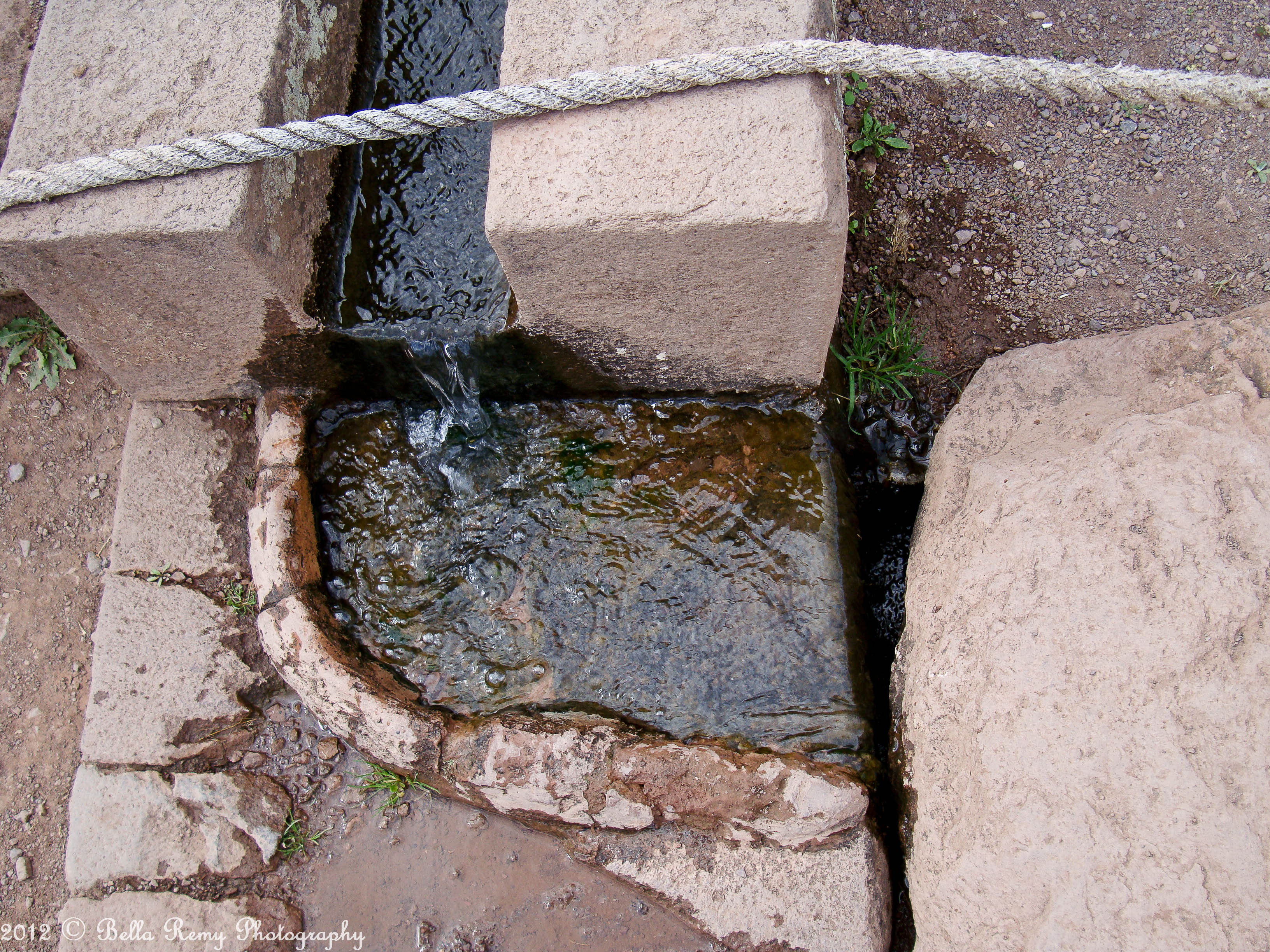
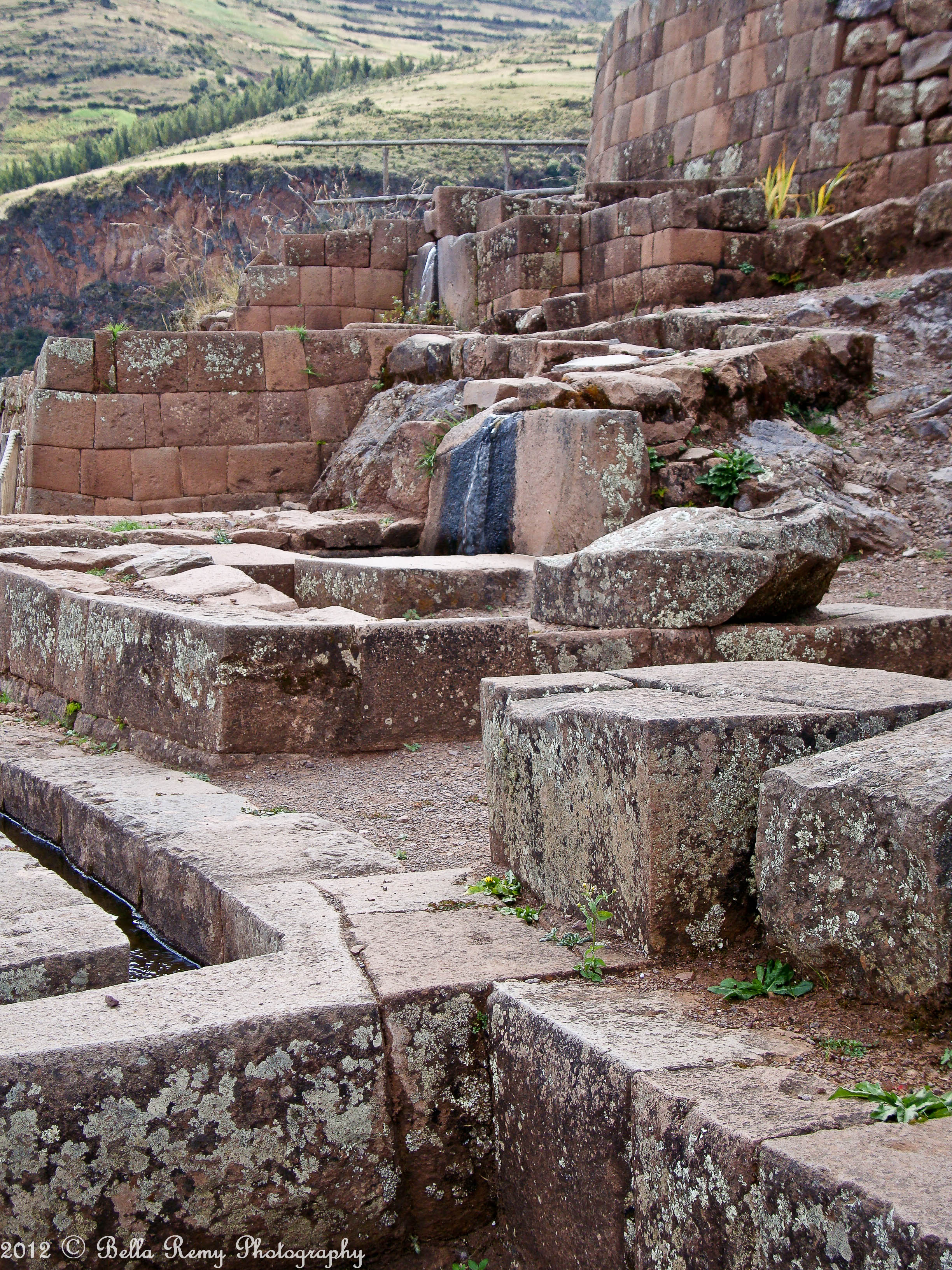
If you look closely at the aquaduct above, one can see the clear and straight cut that the Incas made in the granite. It is speculated that the Incas had help from aliens, as to be able to cut such a straight edge in such hard rock is virtually impossible without modern machinery. These tight cuts are seen all throughout the empire of Inca ruins.
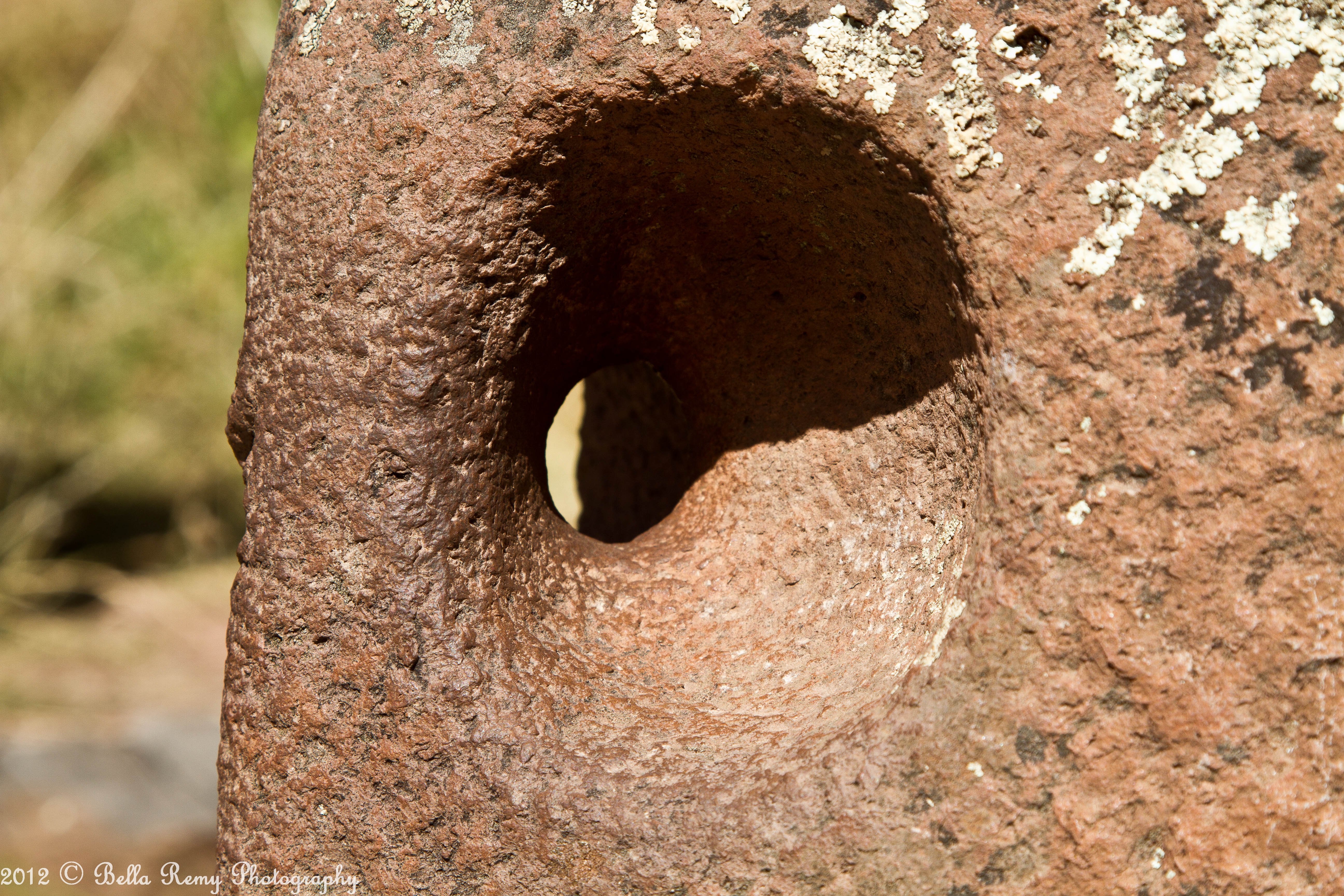
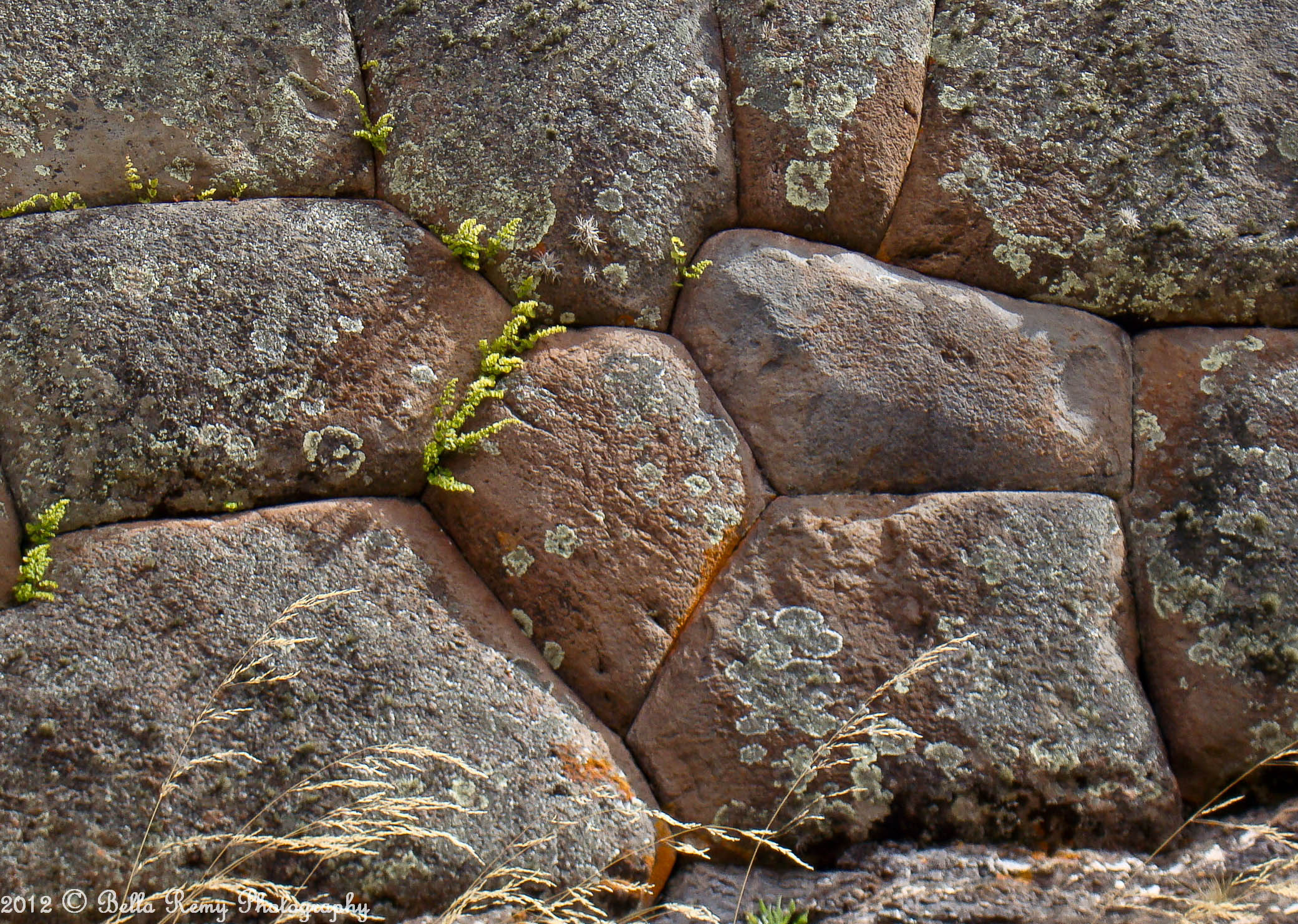
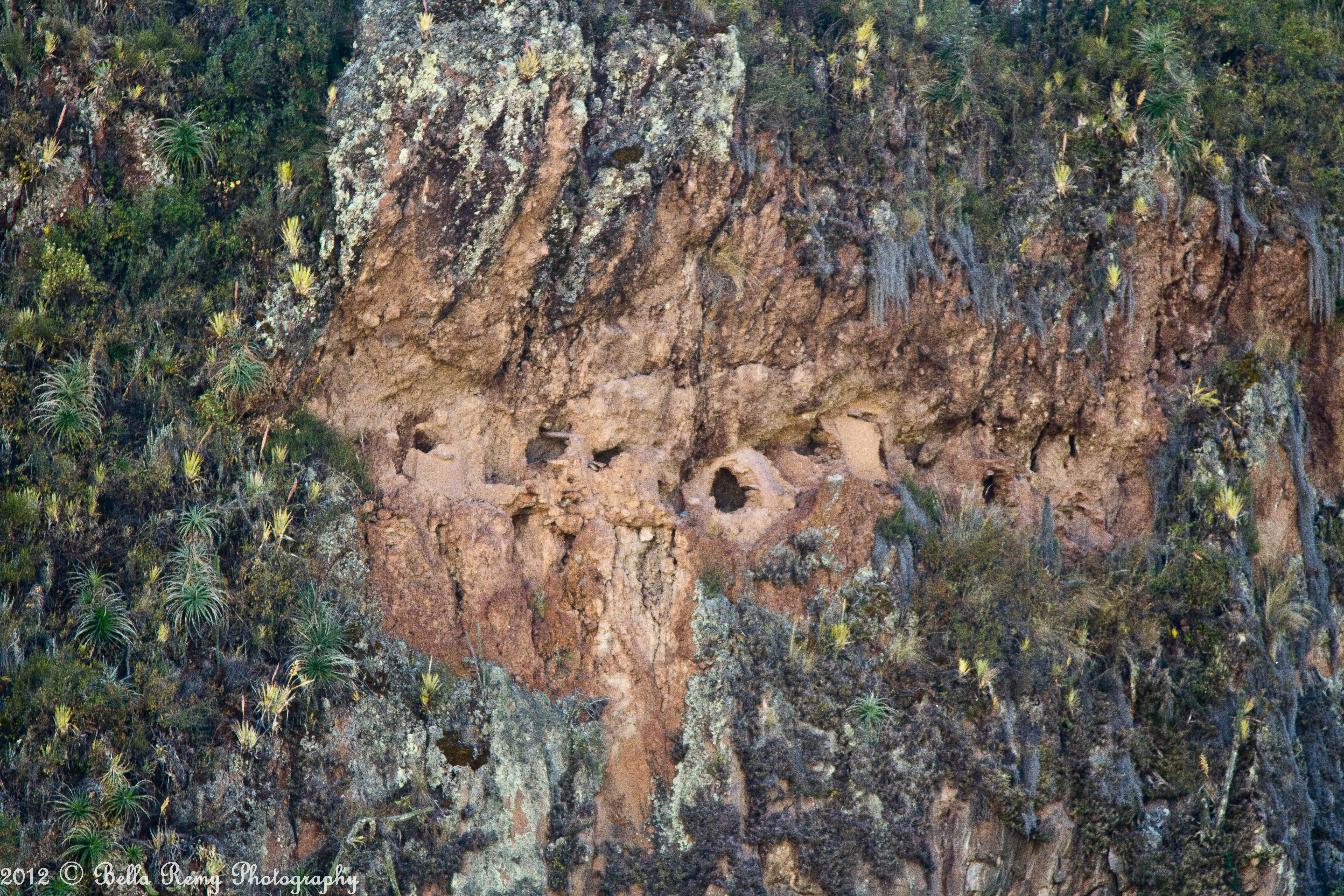
One lesser known section of the Pisac Ruins is the cemetery area. It is said that that more than 10,000 Inca souls were buried in the mountainside, these tunnels carved into the rock have long been ransacked. It is a true quandary just how the Incas arrived to the middle of this cliff to even begin to dig the grave holes.
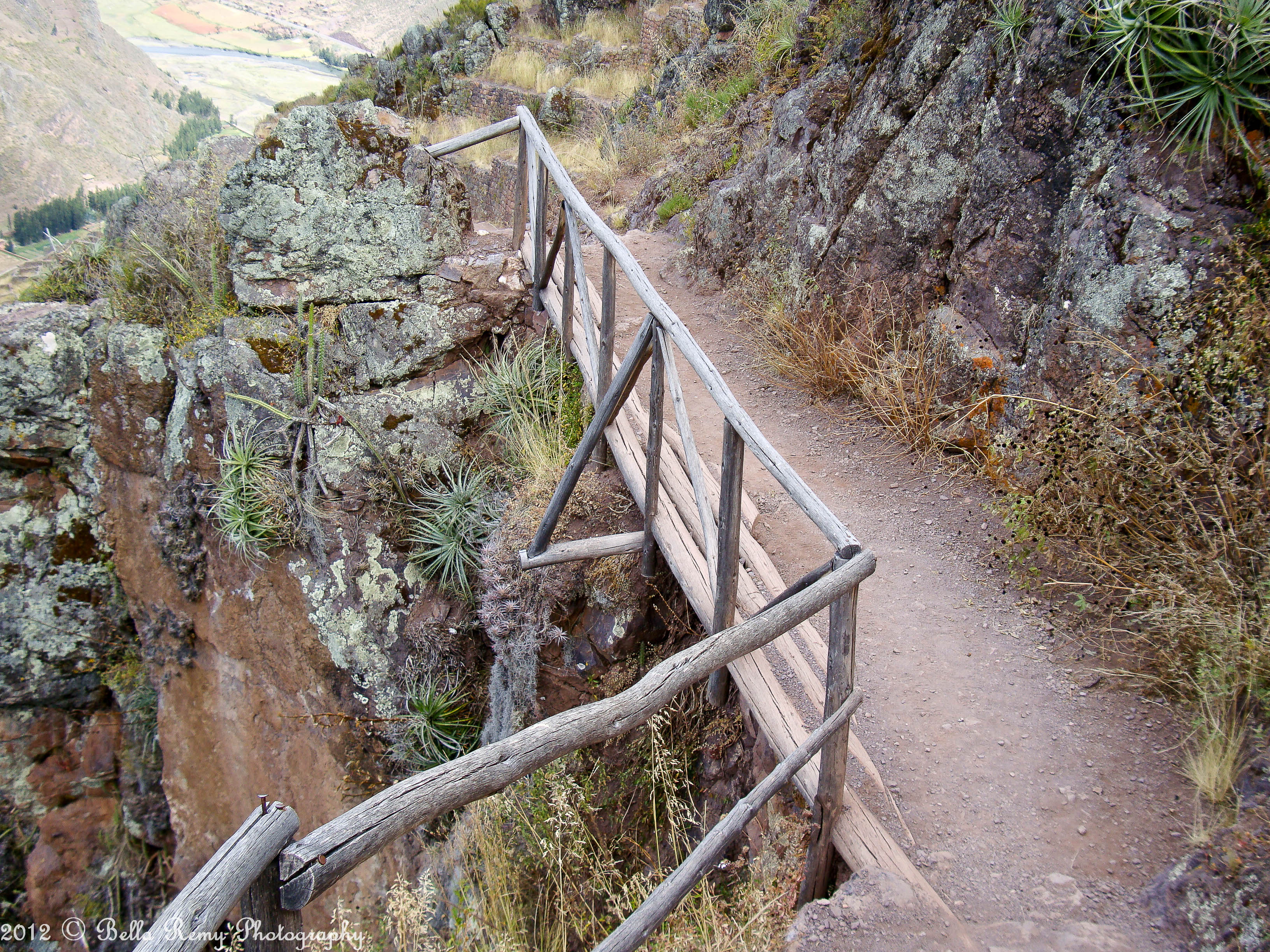
Truly the ruins at Pisac are spectacular, with all elements of a true Inca village included. The ruins are quite expansive and can be challenging to traverse due to steep inclines and the famous – or rather infamous Inca steps. But the effort is well worth it.
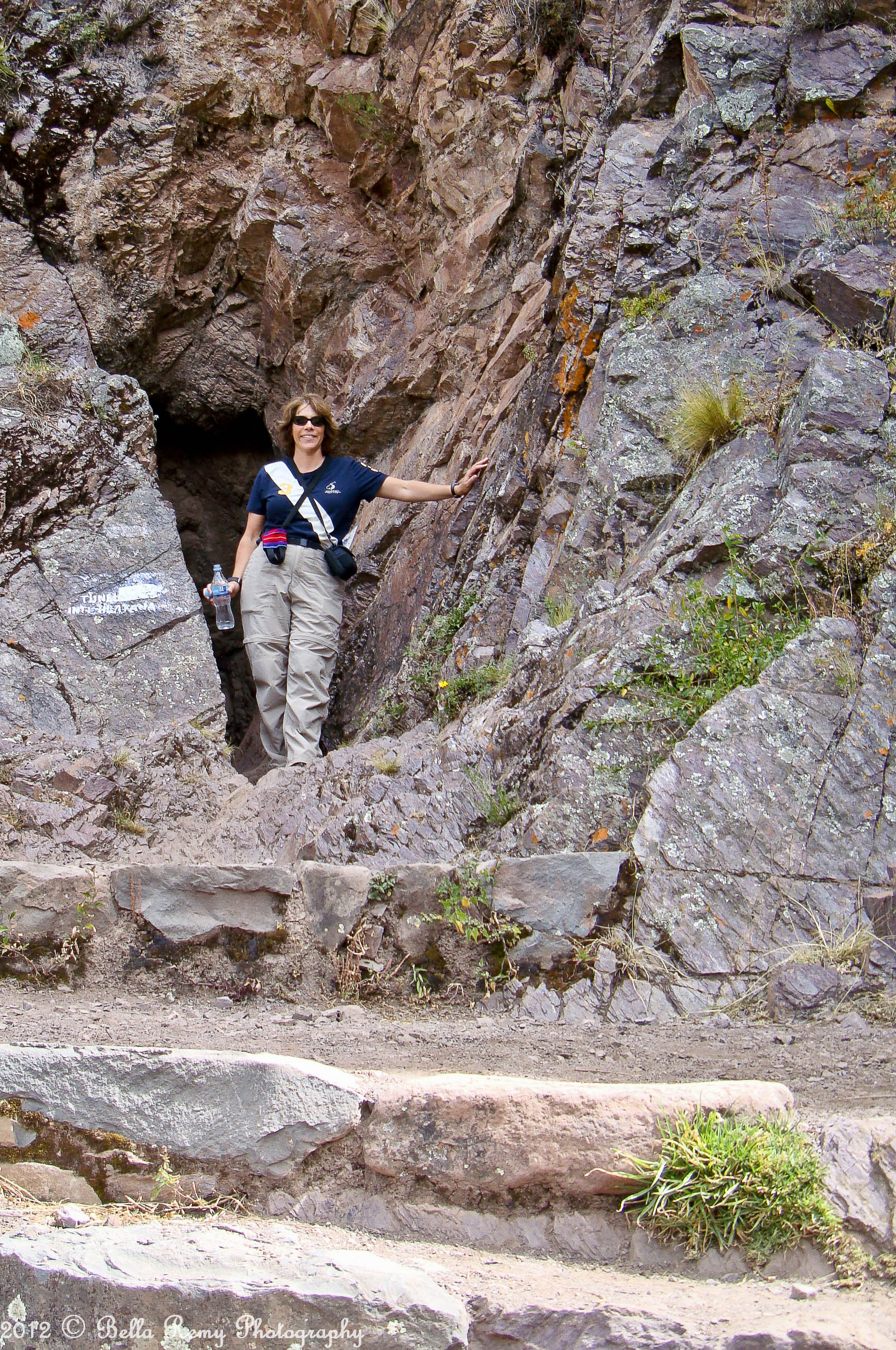
Inca Tunnel at Pisac
Categories: Foot Prints, Peru and the Inca Trail


 Emily Carter ~ Nature as Art
Completely beautiful, thoroughly fascinating. Thanks so much for sharing this most amazing history and land with your lovely images….
Thanks Fey ! I had a really hard time narrowing down the photos as Pisac is really awesome. Hope you make it there someday. Bella
Really really great shots…;-)
– breathtaking photos and history…!!!
Thanks Drake ! Love Pisac !!
What a good beautiful nature. It is so exciting climbing those rocks. Think the most inspiration is when you reached to the top, looking down, what a great achievement!
Thank you Elizabeth! It really is quite an achievement to walk among the ruins of the Incas. With such high altitudes, it’s amazing what they accomplished.
Reblogged this on elizabethcooper196 and commented:
Beautiful scenery with great shots!
AMAZING, Breathtaking Photos – thanks for sharing:)
My pleasure dear! Have a wonderful Monday.
I have always had a fascination for the Incas…you are so fortunate to visit these very special places, and thanks for bringing them to life with your excellent photos and superb writing.
I’m so happy that you’re enjoying these Peru posts. After two trips to the Sacred Valley, there is so much to share of my adventures. Have a wonderful afternoon.
I like this a lot! It was a great civilization! =)
Did you know that the same assumptions about alien help for sharp cuts and huge buildings was made about the Ancient Egyptians?
Indeed yes, there is the history channel series called Ancient Aliens. They included a clip of the ruins at Ollantaytambo, which I’ll show in a future post.
I enjoyed your post, except for the part about aliens. Archaeologist have much research to show that real people who lived in the cultures were able to build these monuments with technology they have available to them. Here is just one example:
http://news.discovery.com/history/the-great-pyramids-amazing-non-mysteries.html
Great photos! I was still wondering if I would go to Peru during my trip to South America, and you participate in convincing me!
I was wondering that you hadn’t included Peru in your itinerary, I think it’s a ‘must’ visit. The culture is wonderful and the sacred valley region is very tourist and backpacker friendly. Hope you make it there.
Lovely photos! thx for sharing them! another “must” visit location in my ever lengthy list of places!
Peru is such a wonderful country to visit with so much history and a wide variety of topography. The Peruvian people are so hospitable. Hope you make it there someday.
Definitely will go there someday! Just by looking at your photos gives me the motivation! 🙂
Nice photos and information.
You are too kind. Thank you very much!
Wow beautiful pictures! It seems Peru is the country that has the most ruins of ancient civilizations!
Hi Amelie, I hadn’t thought about it, but I think you may just be right, with China with their Great Wall Thanks for commenting on this post, and hope to see you back soon Bella
I didn’t know about this particular place. Wow.
Hi Sarah, Peru is such a wonderful place! I have plenty of posts on my blog about Peru, the Sacred Valley and the Inca Travel. Feel free to browse!
My god I can’t believe how different it looks to when I visited in late February… When I was there it was rain-soaked and miserable- totally different world in your photos (and I know which I would’ve preferred!)
Oh my poor thing! February is one of the worst months to go! They even close the Inca Trail due to weather and for working on the trail. Here’s hoping you make it back under sunnier weather. Thanks for commenting and hope to see you back soon, there’s more Peru posts on my blog.
The ruins in Pisac are like the forgotten poor relation to the majestic ruins of Macchu Pichu. I was unaware of Pisac when i went to Cusco, but found out about them and made the trip. I am so glad i did, the landscape is just awe-inspiring, and unlike Macchu Pichu, virtually nobody was there. The bus journey from back to Cusco where we were literally shoved further and further into the bus (but never felt bullied or in any danger) while more people locals climbed aboard, and the “conductor” who gave us our money back when my confusion with the currency and my confusion with the language meant i overpaid, were an incredible experience too, but thats another story
You are far more adventurous than I am. We took a private car and driver there. Although the Peruvian people are so kind and open. I always felt safe while traveling there. I’m so happy that you made it there.
What a fantastic post! That’s pics and info. My human volunteers at a Calusa Indian site in SW Florida. (Randell Research Center) What is so dramatic is the difference in two cultures that paralleled each other in time.
Sandy
http://www.sandysays1.wordpress.com
Thank you so much Sandy. It sounds like I need to learn about the Calusa Indians, as I know nothing about them. I appreciate you stopping by and commenting on this post. Hope to see you back again.
What brilliant photos! I’d love to go here, it would be such an experience. Thank you for sharing it!
So very true Nancy. One thing I didn’t highlight in this post is that Pisac is at 10,000 feet of altitude. Literally takes your breath away. Hope you can make it someday there. Thank you so much for taking the time to view and comment on my post. Hope to see you back soon. Bella
Your report is really interesting. I enjoyed reading it and liked your pics a lot! Thanks!
Thank you so much Irene ! I enjoy sharing one my my favorite places in the world with others.
That was incredible. I am curious to know what exactly was grown in those terraces/raised garden beds. I imagine all sorts of fruits and vegetables.
Hi Rumbley Cottage ! Actually, you would also enjoy my post on Moray also as that was an agricultural experimentation station for the Incas. Primary crops are potatoes, corn, wheat, quinoa, alfalfa, etc. It all depended on the altitude of the terraces. Thanks for your comments, you would really like the gardening in Peru. Hope to see you back soon.
Thank you so much for bringing your experience to life with amazing photo’s and detailed info. Fantastic post!
You are too kind Gypsy ! I love Peru and it’s a pleasure for me to share my experiences with others. Have a great afternoon!
WOAH.
Thank you!
Thanks for sharing a wonderful vista.
It’s my great pleasure. Glad you enjoyed it.
I should learn Spanish and move to South America next.
Or just move and learn Spanish there.
Now that’s a brilliant plan ! Wish I could live there myself.
It is hard to believe there are 4,000 viateries of potatoes in the world, much less in one region alone that blows me away. I love your second shot of that quaint little street very humble, but charming. The cornerstone in your first shot is interesting as well. Another fine post, Madhu. I’ve come to expect no less. Great job!
Thanks Abdul. Bella Remy
It’s funny I stumble on to this blog. I am currently into the 3rd season of ancient aliens and they just covered this.
I should catch that episode. I know they included the ruins at Ollantaytambo, but didn’t know Pisac was mentioned as well. Thanks and welcome to my blog. Bella
Yeah, suprisingly I have learnt more about historical buildings and history in general than I did in school. Makes me realize how little they really teach in school where I live.
Isn’t that the truth? They were more concerned about dates then the actual events. I also believe once you’re out of school and start going out and learning on your own, it means more as you actually are interested in it!
i agree. sometimes i think about becoming a teacher because there is so much i could teach, but then i realize that the kids wouldnt be interested in what i have to teach.
i cant wait to travel the world.
You never know, kids can surprise you! Make it interesting for them and playful and they’ll learn!
Great photos and history of this place! I have not heard of this place before! It makes me think this should be on the bucket list…if I can convince my husband, or maybe I go alone! Thank you for the like on my blog “A Visit with Mark Twain!”
Thank you so much ! Indeed, quite a few people have Machu Picchu on their bucket list. I enjoyed your post and look forward to reaading more.
Reblogged this on amirfatih.
Great shots to go with your fascinating post! It’s hard to imagine how they built all of this without the modern tools we have today. Absolutely amazing how they worked the rock to move the water!
It completely fascinates me as well Michael. The construction that the Incas did in such a short period of time is truly mind-boggling.
Those terraces also fascinated me. Machu Picchu was our favourite place, but we also visited many other sites, and I have photos of the village at Pisac. It was so colourful. I admire you for hiking your way around. We did the soft option and went by coach tour. 🙂
Pisac is a wonderful place as well. I have a post on the ruins, but not the village yet. Truly a wonderful place to visit isn’t it? Thanks for visiting.
I’ve occasionally wondered about the potential reasoning behind the recesses in the walls of Incan architecture. Places where windows could have been but instead they’re closed on one side by a full reinfocing wall of blocks.
It is said that they placed idols in those recesses and other such items. Thanks for stopping by and visiting.
Reblogged this on Dave Davenport Blog and commented:
I love pcitures that draw you in and tell a story, invite you to come along, and join the journey. Great pictues, thank you for sharing.
Hello friend ,what a beautiful place and great picture
Thank you for that contribution. Amazing photos!
You got the overview and the details for plants growing in the walls. One wonders why they did so much work in the steepest hills, why didn’t they just settle at lower elevations.