
Walking the colonial streets of Cuzco, Peru one is reminded of the dominance of the Spaniards over the Incas in the early 1500’s. Being the capital of the Inca Empire, conquest of Cuzco was the triumph of the Spanish. In celebration of their success, and their determination to convert the considered “heathen” Incas to Catholicism, a number of churches were built throughout Cuzco. Cuzco was established as the center of Spanish colonization and the spread of Christianity throughout the Andes region. (source: http://en.wikipedia.org/wiki/Cusco) These churches were built to demonstrate the dominance of Christianity.
Obtaining a walking guide app named City Walks by GPSmycity.com, six well planned walking tours with detailed information are available for Cuzco. Selecting the “Religious Tour” which showcases 8 churches in Cuzco, I began an early morning walk on the streets of Cuzco back to the time of Spanish Conquistadors.
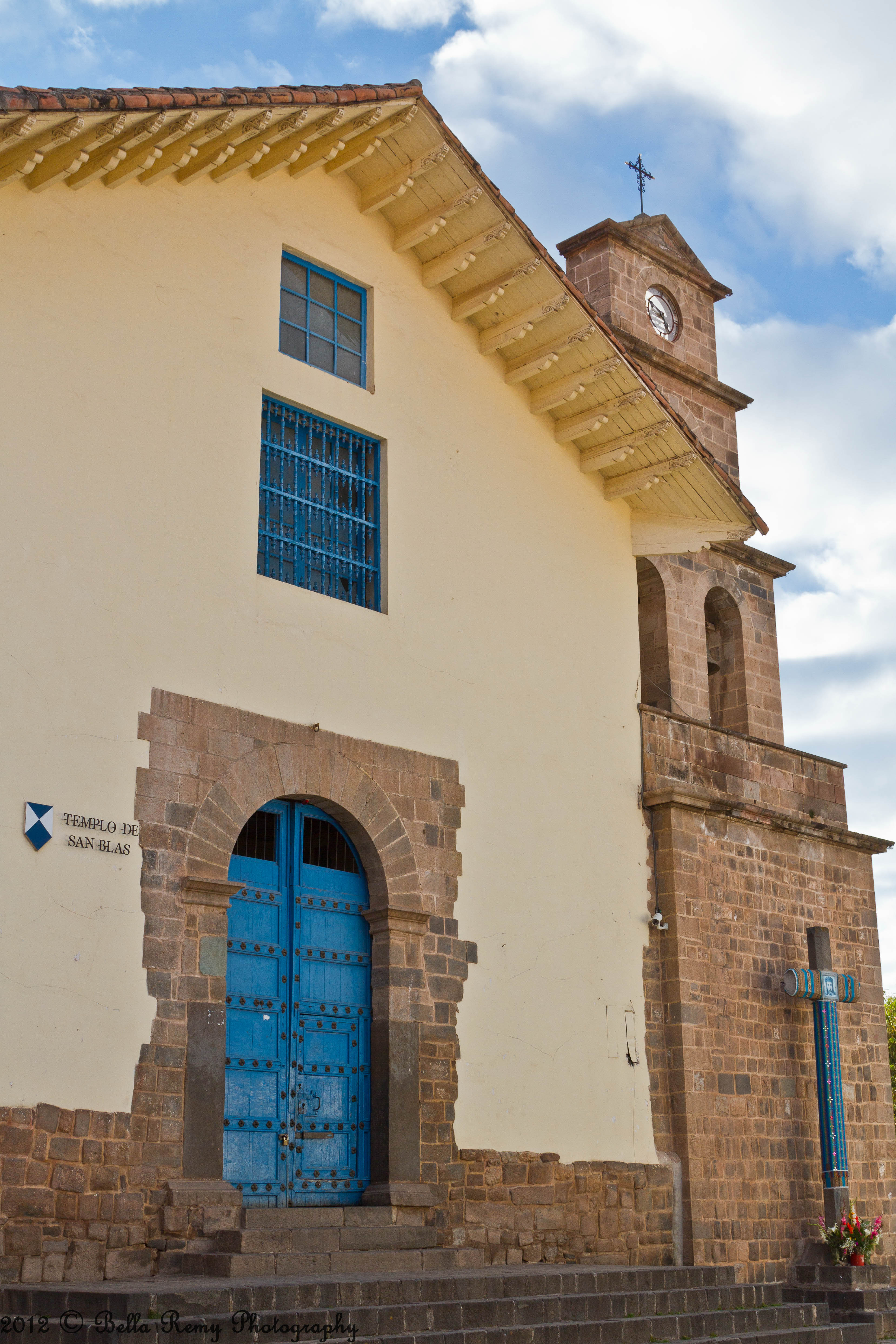
Starting at the Church of San Blas which is on a hill above the main plaza, this church is best known for its 17th century pulpit that was carved from a single tree trunk. Bright blue doors brightened the early morning, while the bells sat silently waiting. This church was built mid-16th Century on the foundations of the Inca temple “Illapa” dedicated to the god of lightening and thunder.

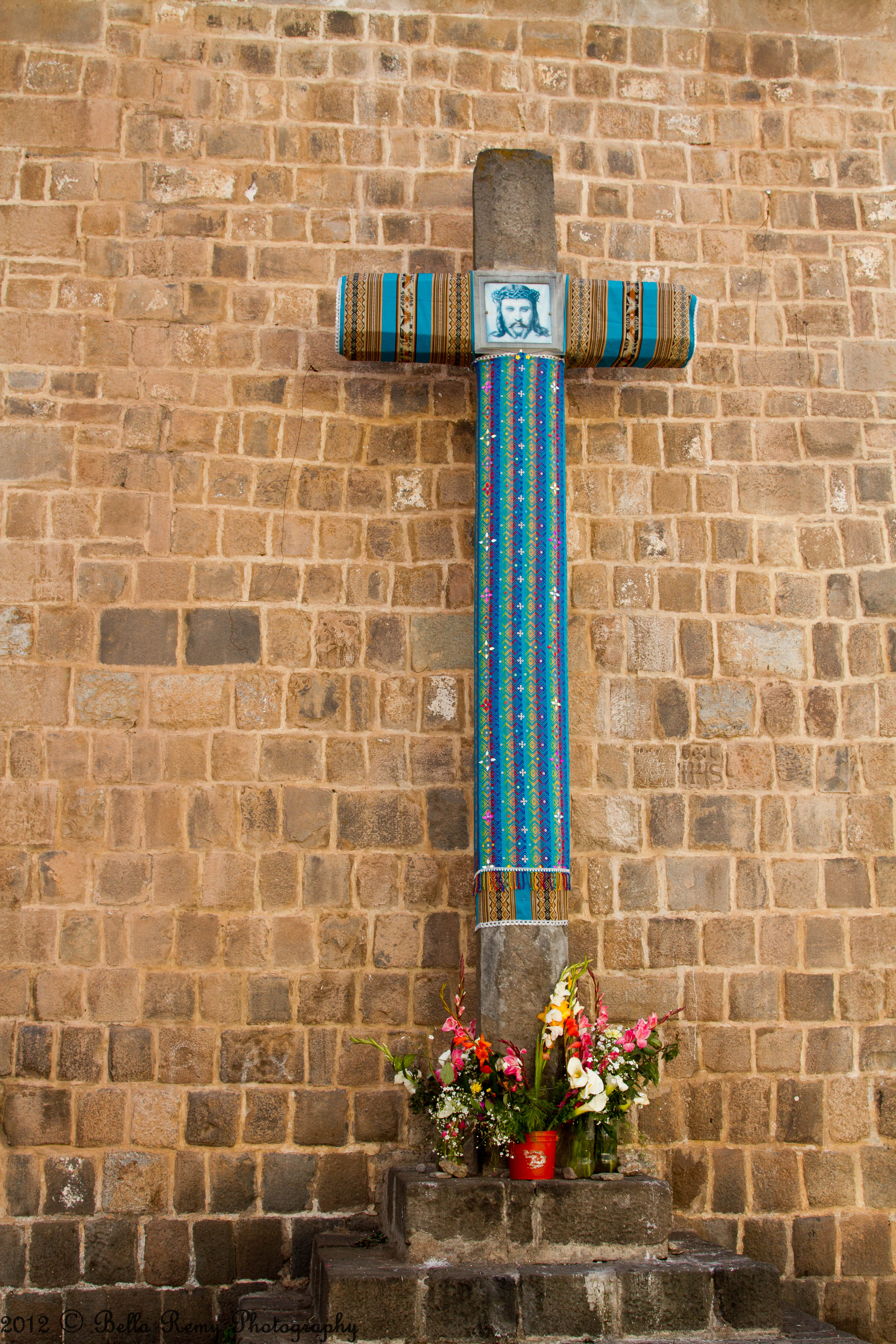
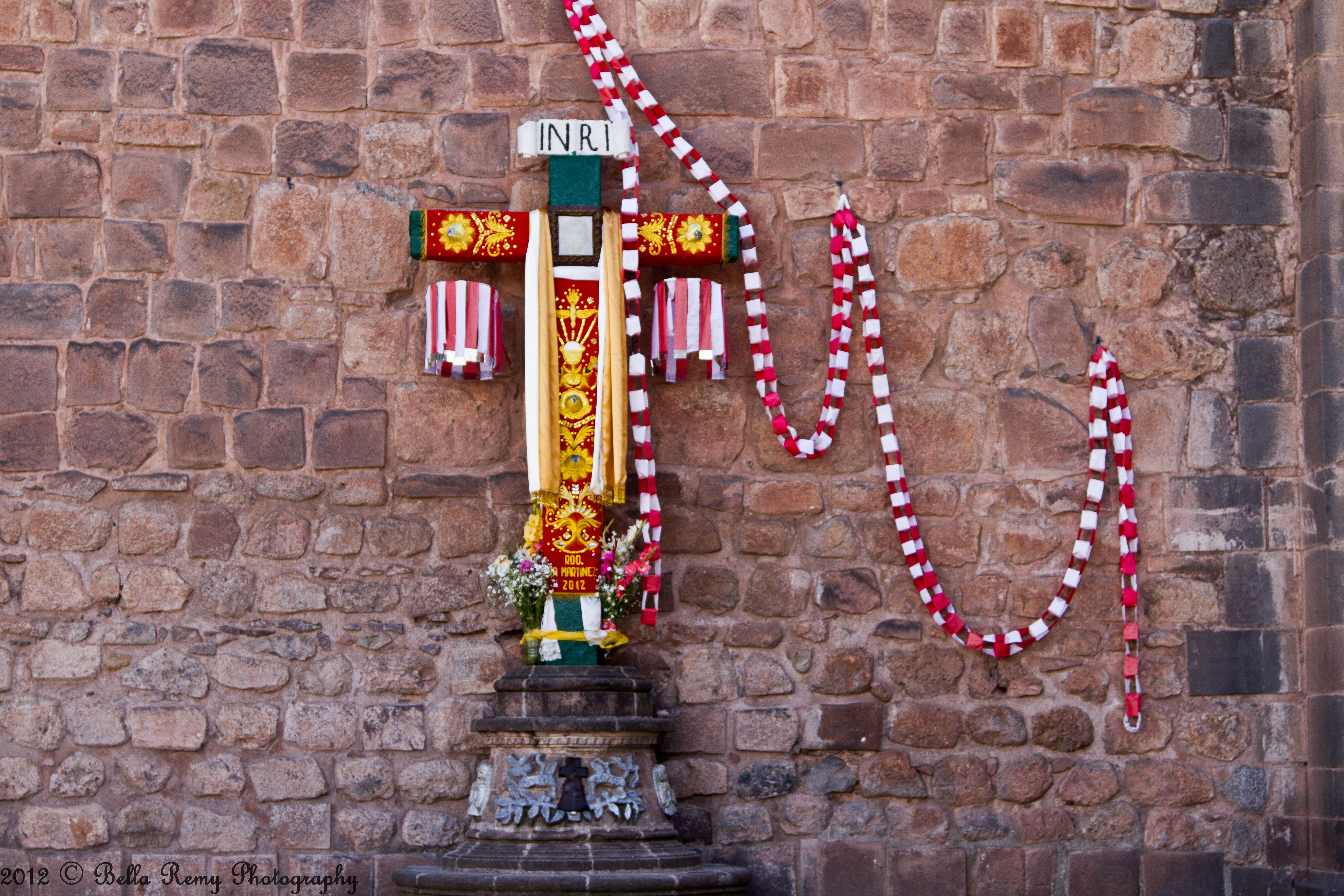
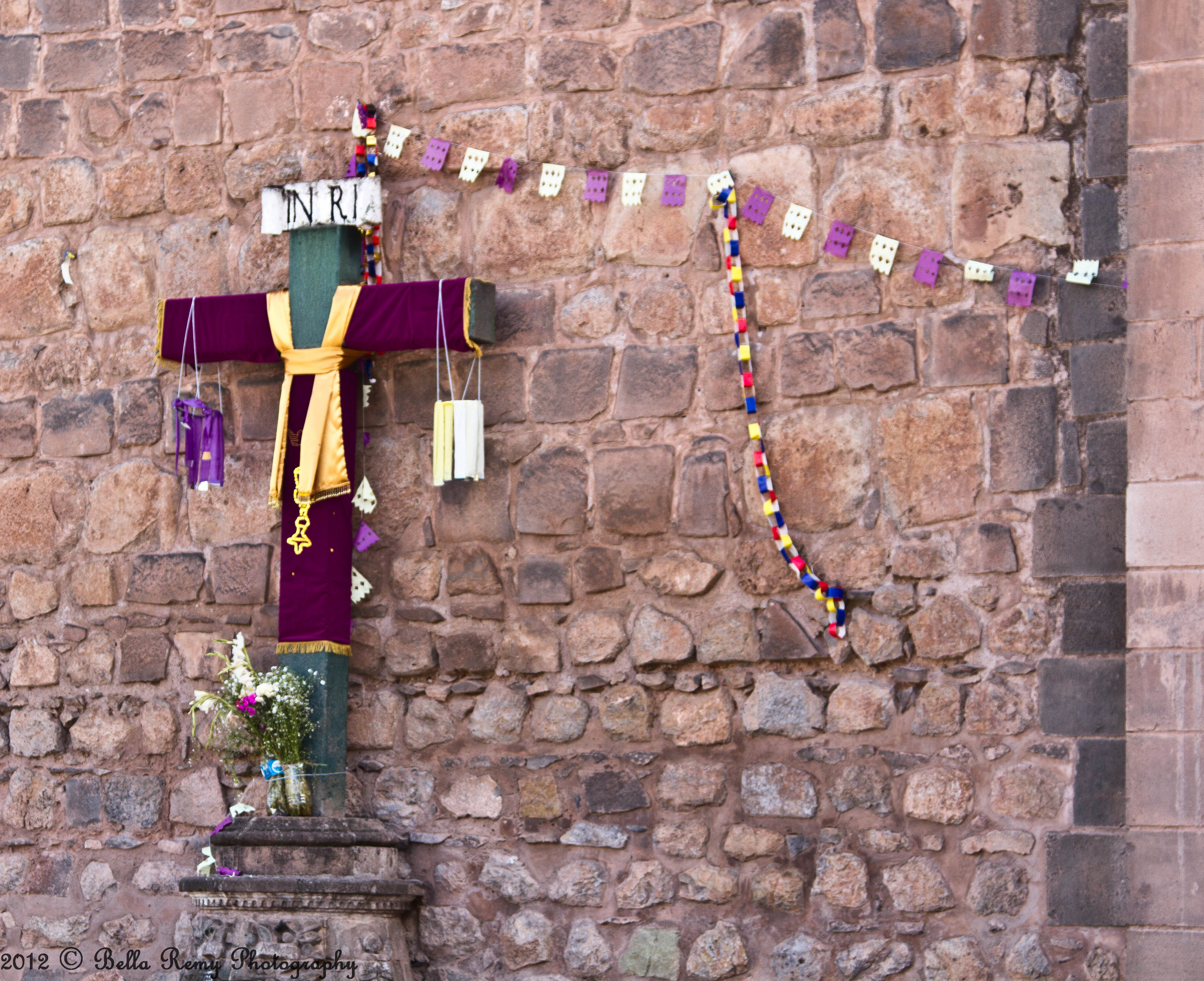
Traveling in early May, we had just missed the oldest religious festival in the world known as “La Fiesta de las Cruces” or The Festival of the Crosses. Held on the first Sunday of May, these crosses are decorated and elaborate processions and celebrations are found throughout the region. Combining both the Catholic and Inca religious elements, this celebration is proof that two cultures have learned how to live harmoniously.
Continuing down the hill, and arriving to the Plaza de Armas, the show pieces of religious domination over the Incas stood stoically around the main square. The small Church of the Triumph, built in 1536 is adjacent to the prominent Cathedral of Santo Domingo. The Church of the Triumph is best known for holding the statue of St. James atop a horse slaying an Inca.
Saint Michael Slaying the Devil

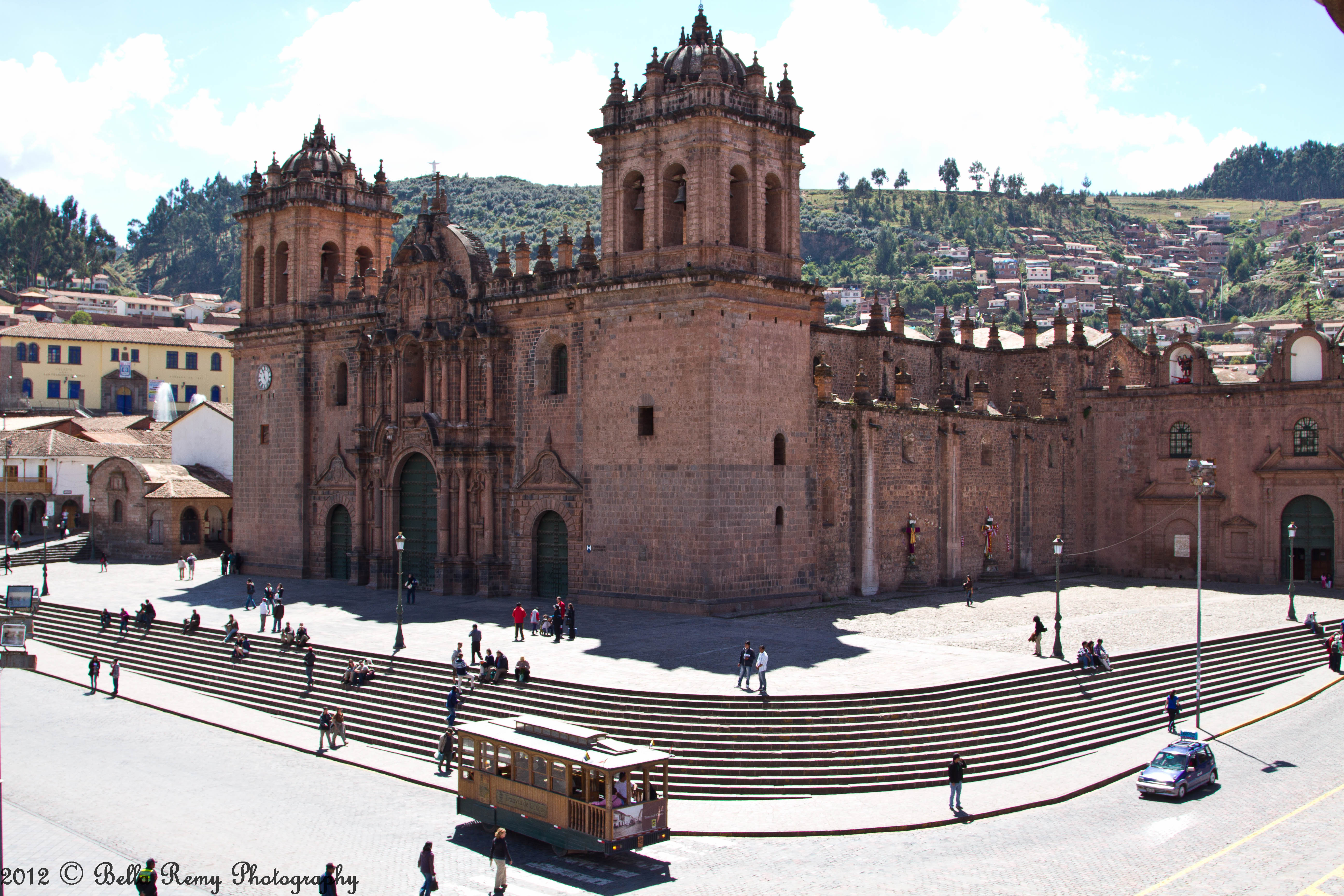
Perhaps the most photographed church in Cuzco would be the Cathedral of Santo Domingo. Considered to be the main cathedral in Cuzco, this church was completed in 1654 after a century of construction. Granted the UNESCO World Heritage status, this church holds one of the most spectacular collections of colonial art and historical artifacts and relics. Regretfully, all of these churches do not allow photography within their walls, and the magnificent artwork within the church must be seen in person.
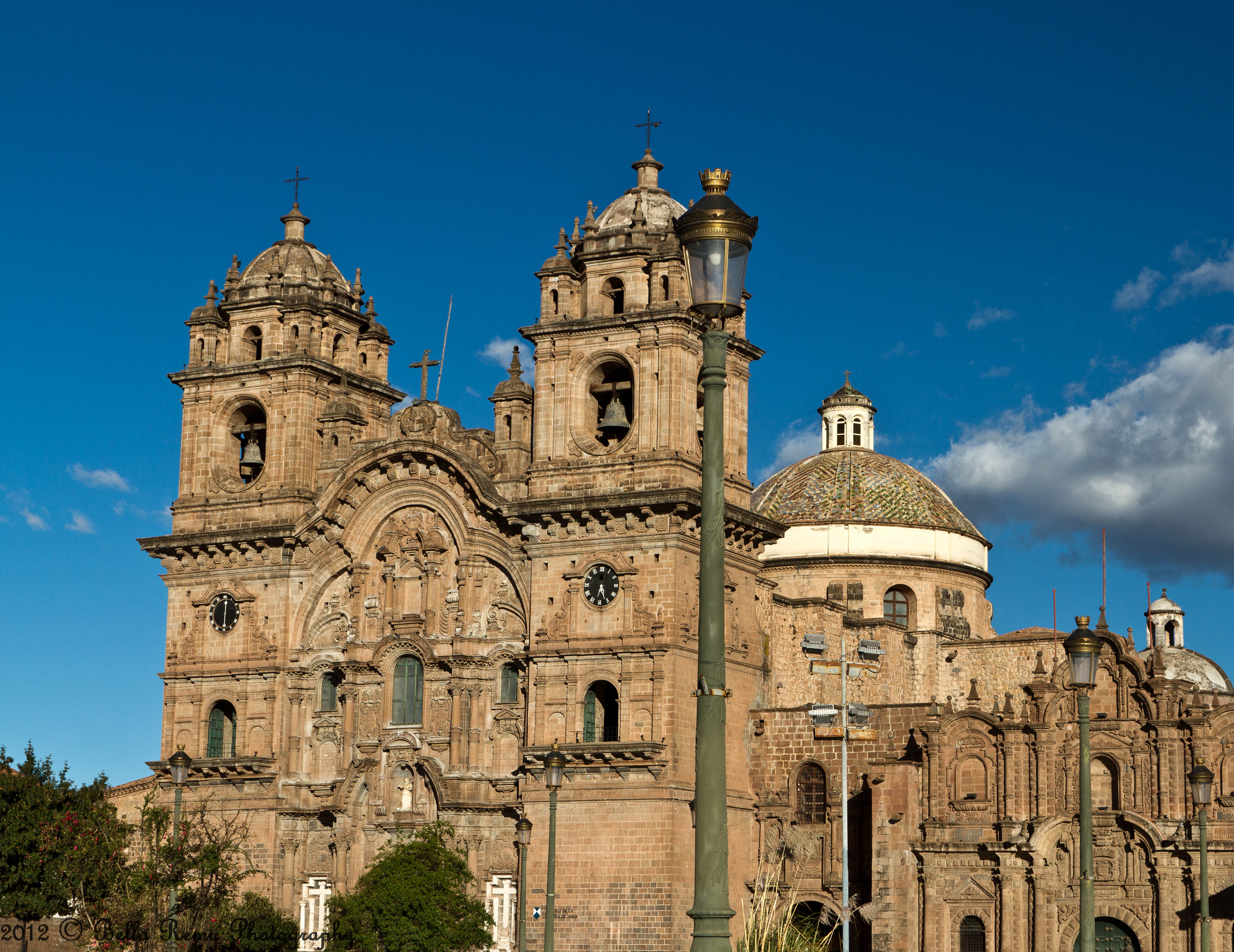
But the Jesuits were determined not to be outdone by the Catholics, setting out to create the largest church in Cuzco. Pope Paul the III was called in to deliberate between the Catholics and the Jesuits as to who was allowed to have the most elaborate church. Losing to the Catholics, the Jesuits had to downscale the remaining construction of the Church of the Company of Jesus.
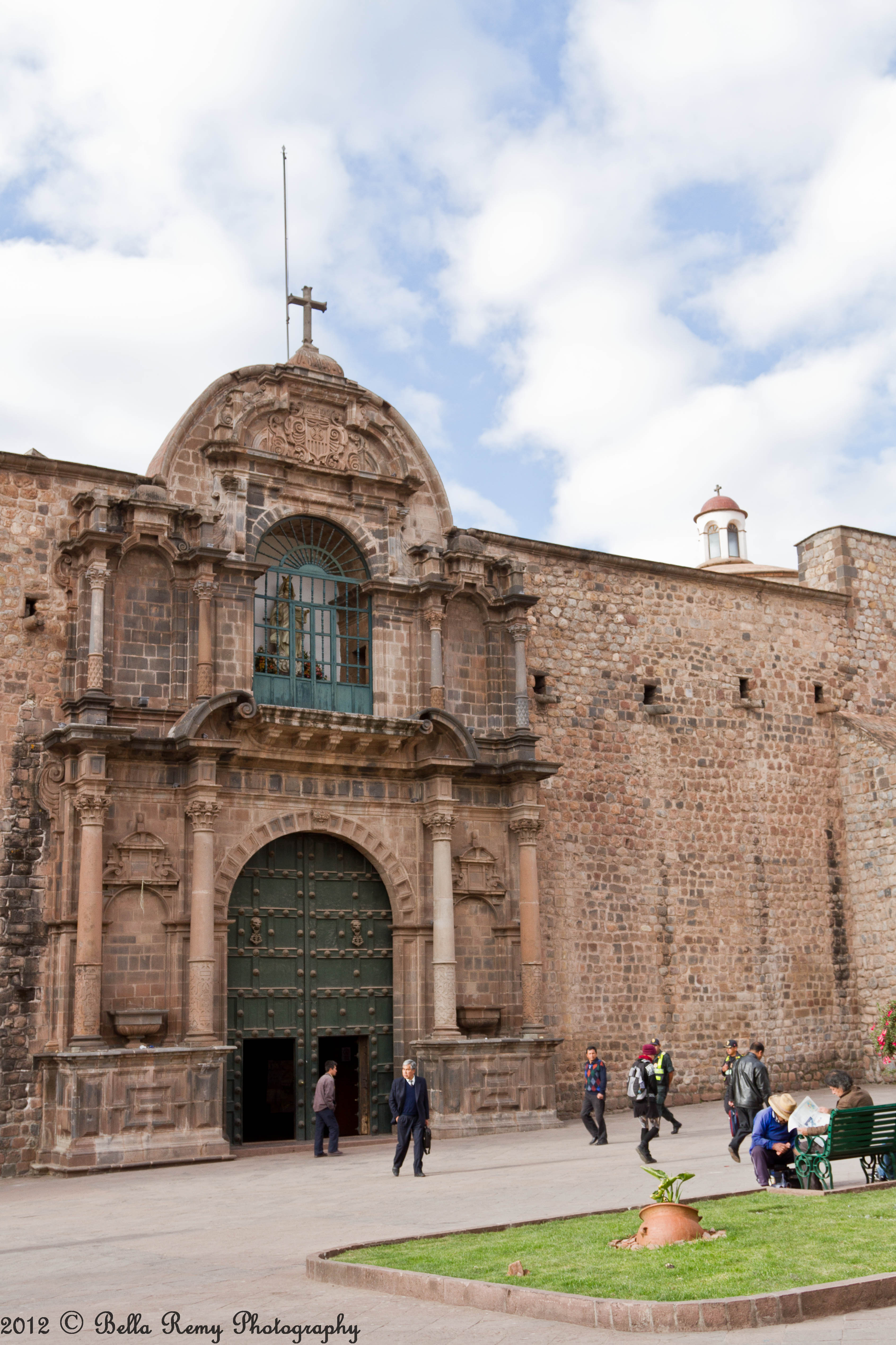
Just a few blocks away stands La Merced Church, built in 1536 this church is a visitor favorite. Holding the former prison of Salamanca, this church is known for its wonderful collection of religious artwork.
Heading up the hill towards the San Pedro Market stands the Templo of San Blas.

Truly, the number of churches within just blocks of each of other in the historical area of Cuzco is mind boggling. How they managed to fill these churches with patrons with so much competition baffles me. They are still active churches with masses held throughout the day. One can hope that tourism donations can help provide some funds for maintenance as each of these churches are truly works of art.
Winding down this brief walking tour, our final stop was the Santa Catalina Monastary, that was built over the Inca ruins of the House of the sun Virgins at the beginning of the 17th century. Known now to tourists to be the place to get delicious “mazapanes’ baked by monastery nuns. Alas, it was still early morning, and Santa Catalina had yet opened for visitors.

The churches in Cuzco are most certainly a must see and one can easily fill a full day with visiting these churches and viewing all of the treasures that they hold inside.
Categories: Foot Prints, Peru and the Inca Trail


 Emily Carter ~ Nature as Art
Such beautiful photographs of wonderful churches. Thanks for sharing
It is truly my pleasure Anarya. They are indeed quite beautiful and such works of art.
nice photos of the doorways to Heaven–you have such a creative eye for capture
Hi Will ! What a wonderful way of looking at it. Doorways to Heaven, just briliant!
You are too kind and happy you are enjoying the photos.
Eloquence! Thank you for sharing these beautiful pictures!
Merci Petit ! Still longing to indulge on the wonderful goodies on your blog. 🙂
Incredible photography!
Thank you so much!
The church in pic 9 looks quite similar as the one on berlin 🙂
I find that totally fascinating. You wouldn’t happen to have a photo of it would you? I wonder when it was built. Thanks for stopping by and hope to see you back soon. Bella
The church’s history from the past is not always that good, but they certainly look beautiful in your photos.
That should be the biggest understatement of all time Bente. The pain that went along with this glory is truly sinful. Thanks for enjoying the pics. Bella
I’m not so much bitten by religion myself, none of them – but their buildings are often breathtaking – very beautiful shots, that you share… 😉
I am as you, spiritual, but not a member of a particular church. I do really enjoy visiting churches along my travels though, and always their majesty astounds me.
Such beautiful shots and stunning architecture… I love the interspersion of colors (the blues are amazing)!!
It’s that high altitude sky Fey. The blues are just like that. No photoshop adjustments. They literally take your breath away. 🙂
Stunning – I was so sad as when I went it it was back in the days of film and the roll of Cusco was mis-developed! I remember those skies. Is it correct also that one of those churches (perhaps the cathedral) has crumbled down several times due to earthquakes, yet amazingly the buildings and the bases of colonial buildings which were built by the Incas were so cleverly designed that they withstood the earthquakes (something the Spanish didn’t have quite down!)?
I hadn’t heard that, but I can totally believe it. The Incas were amazing with their construction and knew how to make their buildings earthquake sturdy. So perhaps the next time you’re in the hemisphere, you’ll have to return to Peru and revisit. In the meantime, the least I can do is share what photos I have for your memories.
Beautiful! I would love to travel to Cuzco and all of South America, so thanks for sharing these images!
It is my pleasure, and I truly hope you get the chance to visit Cuzco. You would love it ! Bella
I really enjoyed reading this Bella! Fantastic photos that really take the viewer on a journey. I have always loved the architecture of the older churches. The attention to detail in these buildings is almost unimaginable compared to today’s standards!
That’s fantastic Michael ! You really liked this post, awesome. It’s true, when I visited the National Cathedral, I was comparing it to the churches in Cuzco, and such a difference in workmanship. Even the main entryway to the Natl Cathedral doesn’t impress like the older churches, filled with their gold-leafed altars.
I love the Santa Dominigo Church as you can see the The Spanish Colonisers have built of the Incan foundation
I just love the Santa Domingo church and how you can see the foundation of the old Incan temple compared to the later bricks laid by the Spanish conquistadors.