
Rock Run Grist Mill
Imagine a time when America was just starting to show growing pains. With recent freedom from the British, but before the realization of all of our Constitutional Rights, there was a period of growth that relied on a multitude of Grist Mills along the Pennsylvania, Maryland and Ohio Rivers.
A Quaker man from humble beginnings, but blessed with the wealth of knowledge of Milling from his immigrant Grandfather, came to a beautiful area along the Susquehanna River in Maryland. This man was John Carter (1773-1805), married to Rebecca Harlan. Already a wealthy miller, John Carter joined into partnership with John Stump in 1801, and purchased a large tract of land along the river known as the “Land of Promise.”

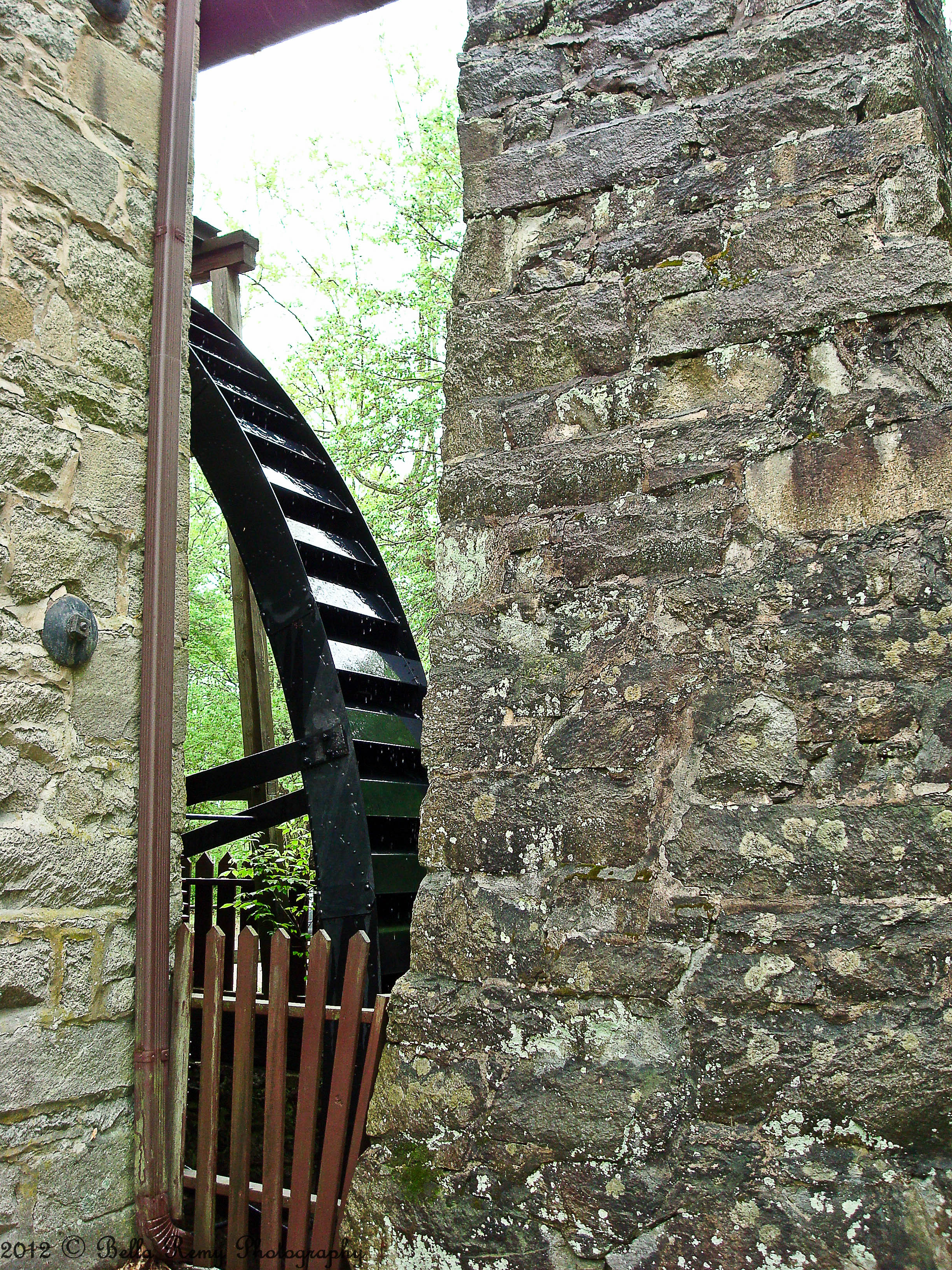
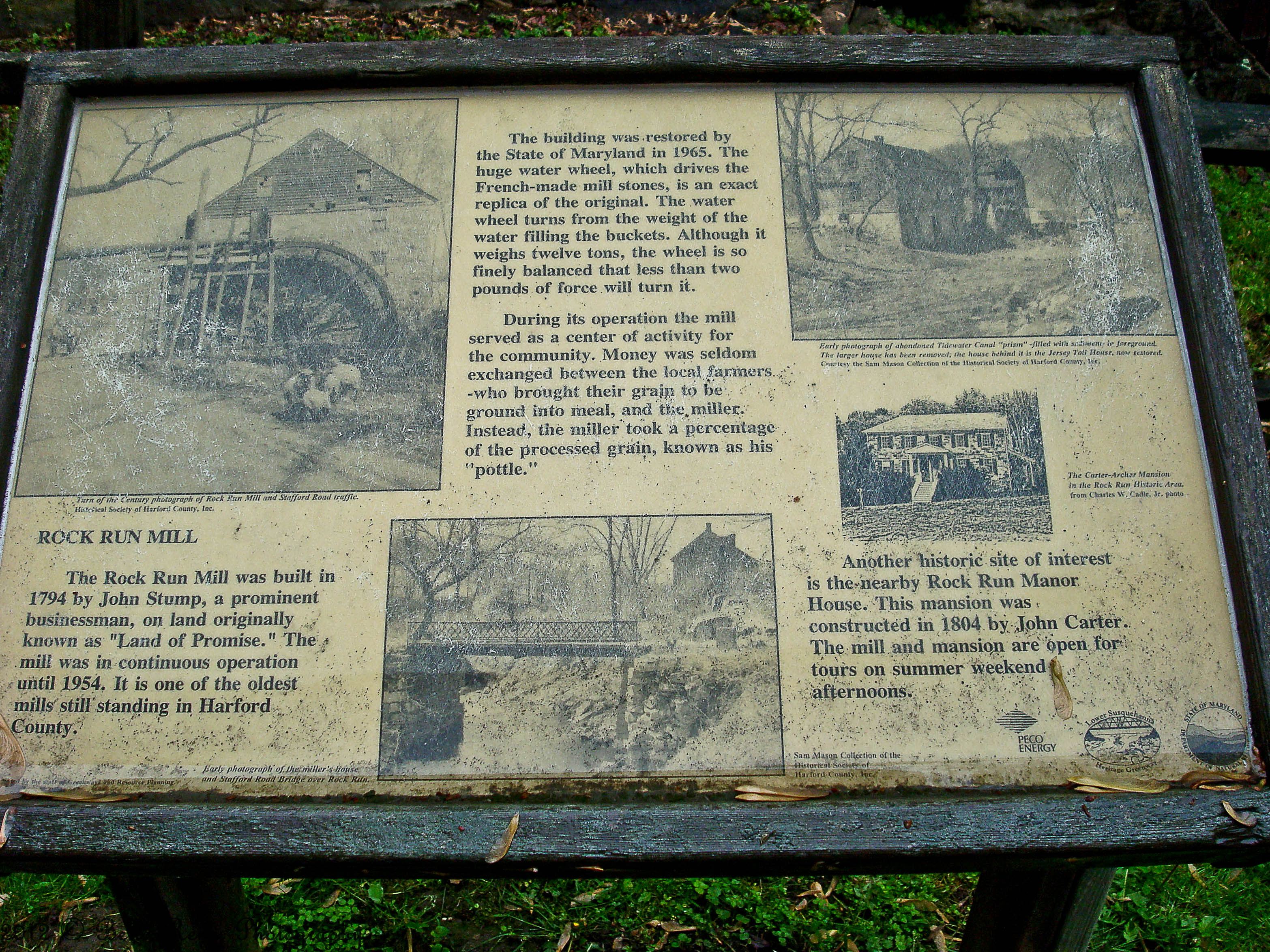
The Rock Run Grist Mill quickly became successful and in 1804, John Carter began building a large 14-room mansion for his wife, son and baby-to-be. Even though John Carter was a Quaker who shuns outlandish expressions of good fortune, Rock Run Manor was built plainly, but its size exuded wealth.

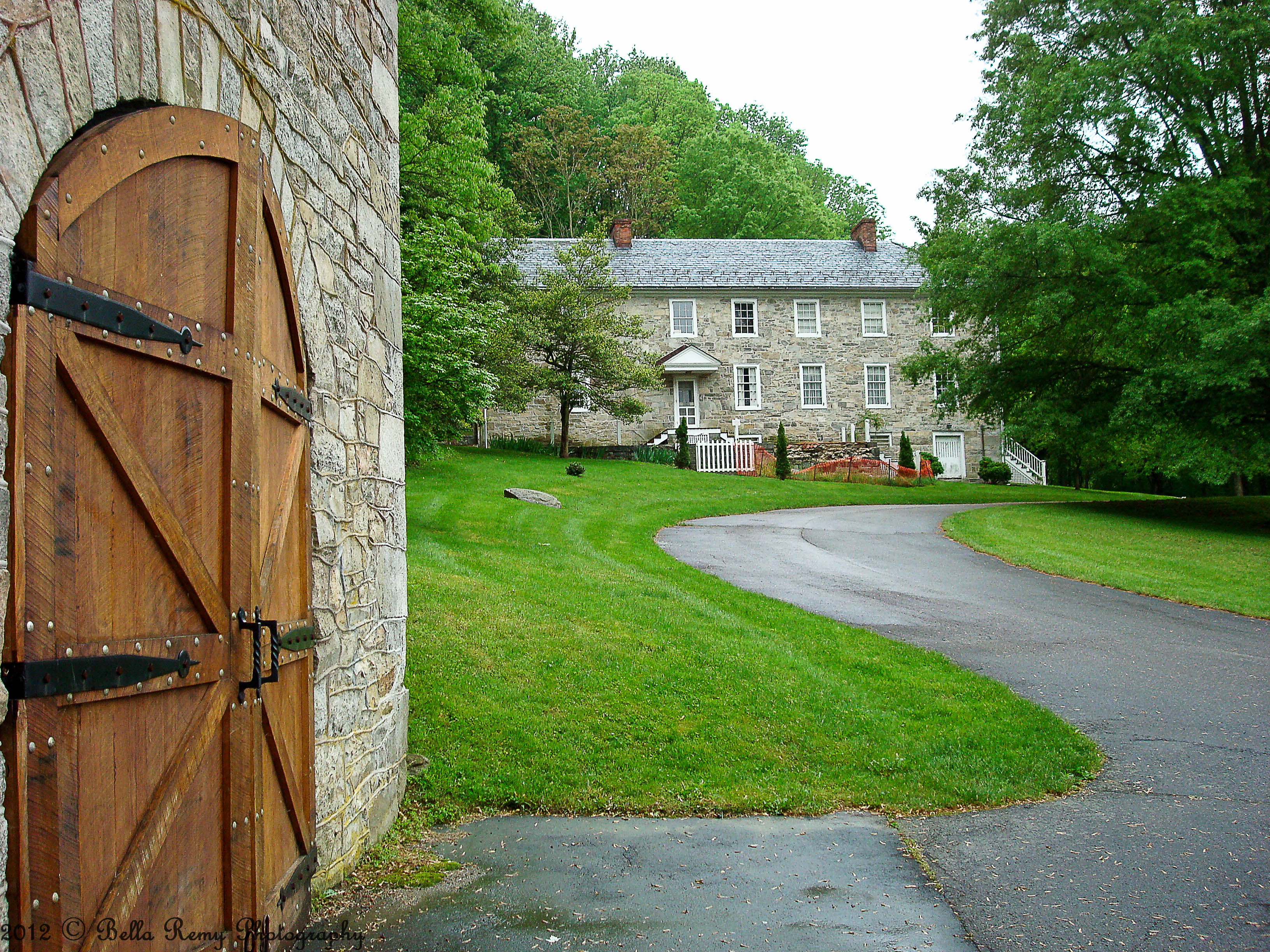
Barn and Rock Run Manor

Spring House
Even though John Carter built Rock Run Manor to be simple on the outside, all the luxuries were placed in the home with two beautiful sitting rooms, formal dining room, and a working kitchen.
So what happened to John Carter? Well, would you believe that after building his dream home, that took an extravagant amount of time and money, he died of malaria within months of the completion of the house. His wonderful partner John Stump? Well, he ran off John Carter’s widow, and she escaped in the night with her son, and pregnant belly in an Ox Cart as fast as she could. Well, as fast as an Ox can go anyway.
When John Carter’s son became of age, he returned to Rock Run and claimed his father’s inheritance and had Stump pay the Carter family what was due to them for their share. More of this story below…
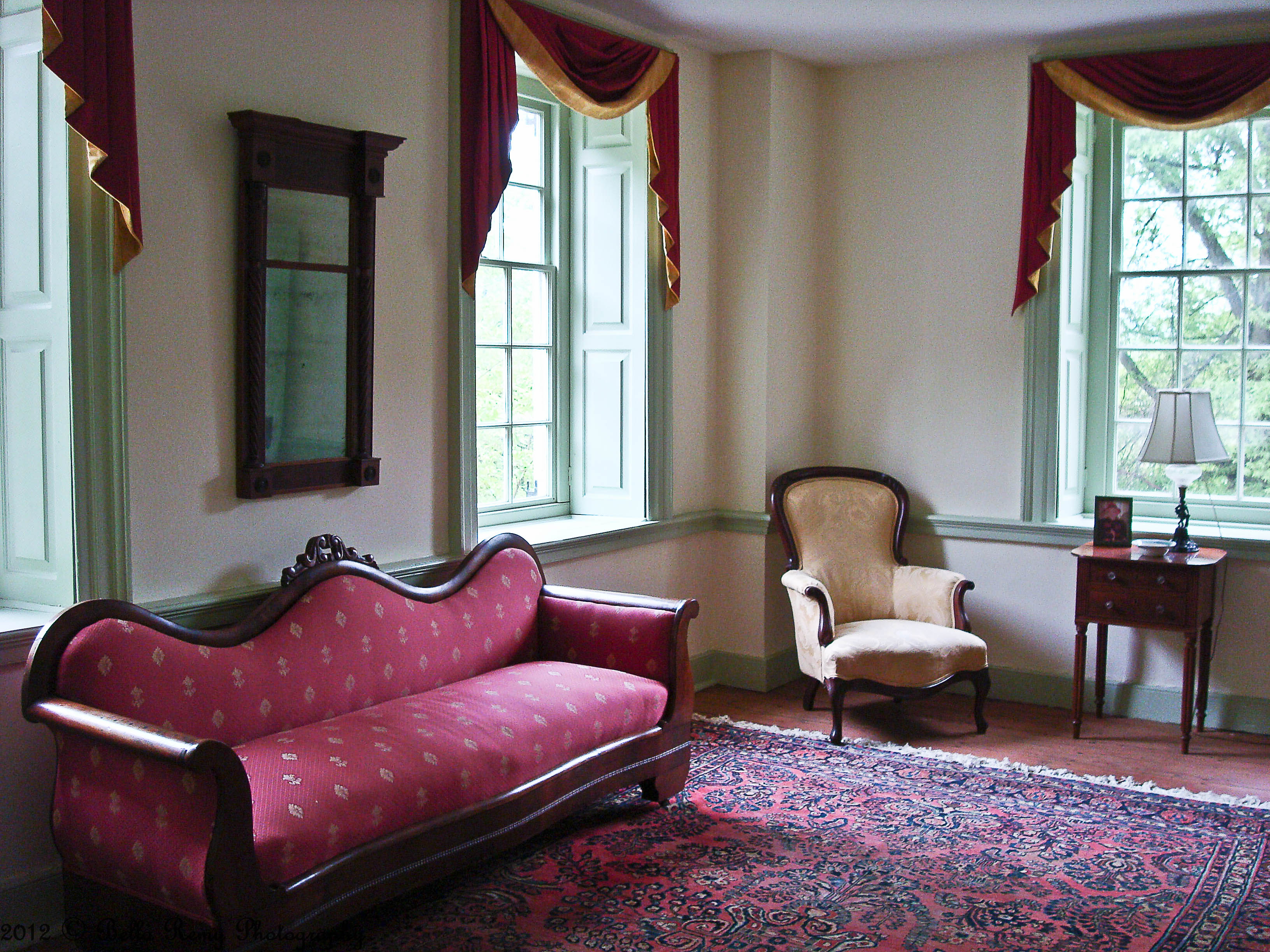
Formal living room

Formal Dining Room

Kitchen
The Quakers were the first corporate organization to condemn slavery, but in spite of the Quaker’s belief, John Carter created slave’s quarters in the home. It’s hard to reconcile how Quakers can own slaves, but in researching the Carter line throughout the 1700’s slavery was part of their way of life.
John Carter is my fourth Great-Grand Uncle, and the Susquehanna State Park staff were kind enough to allow me exclusive access to the slaves quarters. An area infrequently seen by regular visitors.
Slowly opening a small wooden door adjacent to the kitchen, I began to walk up the narrow and steep staircase towards the Slave’s Quarters. The walls were closely fitted to the staircase, and even with my 5’4″ frame, my shoulders brushed along the walls where many slaves before had also done.
When first reaching the sitting room, it felt as if the room was built for dwarfs. A single small chair stood next the the tiny hearth, and the feeling of oppression was sensed as the room was small in both height and width. I imagined the cold and snowy winters along the Susquehanna and how the slaves had just this small hearth to warm them after a long day of work.
But this room had to be a place of refuge for them, for it was away from the rest of the mansion, and surely the fire brought some warmth to their hearts and souls.
Continuing on to the third floor, I looked at the steep and questionable wooden ladder that led to the sleeping quarters. With no hand rails, and wooden steps well worn by the many footsteps of previous slaves wearily heading to bed, I began to climb. Each step was cause for reflection of what may have gone through the minds of these slaves when they went up these difficult steps while their owners walked up to their luxurious beds with ease.
The sleeping quarters is given a small glimpse of hope by the single window and angled ceilings. This being a fairly large room, I could only wonder just how many slaves had to share this single space together. There were also no restroom facilities, so either they had a long walk down and outside in order to relieve themselves, or chamber pots were placed for their use.
When visiting this room, it truly reflected the ugliness that slavery forces on another human being. So very poignant, and visiting this portion of the home really brought to reality the sacrifices people have made in the name of progress.
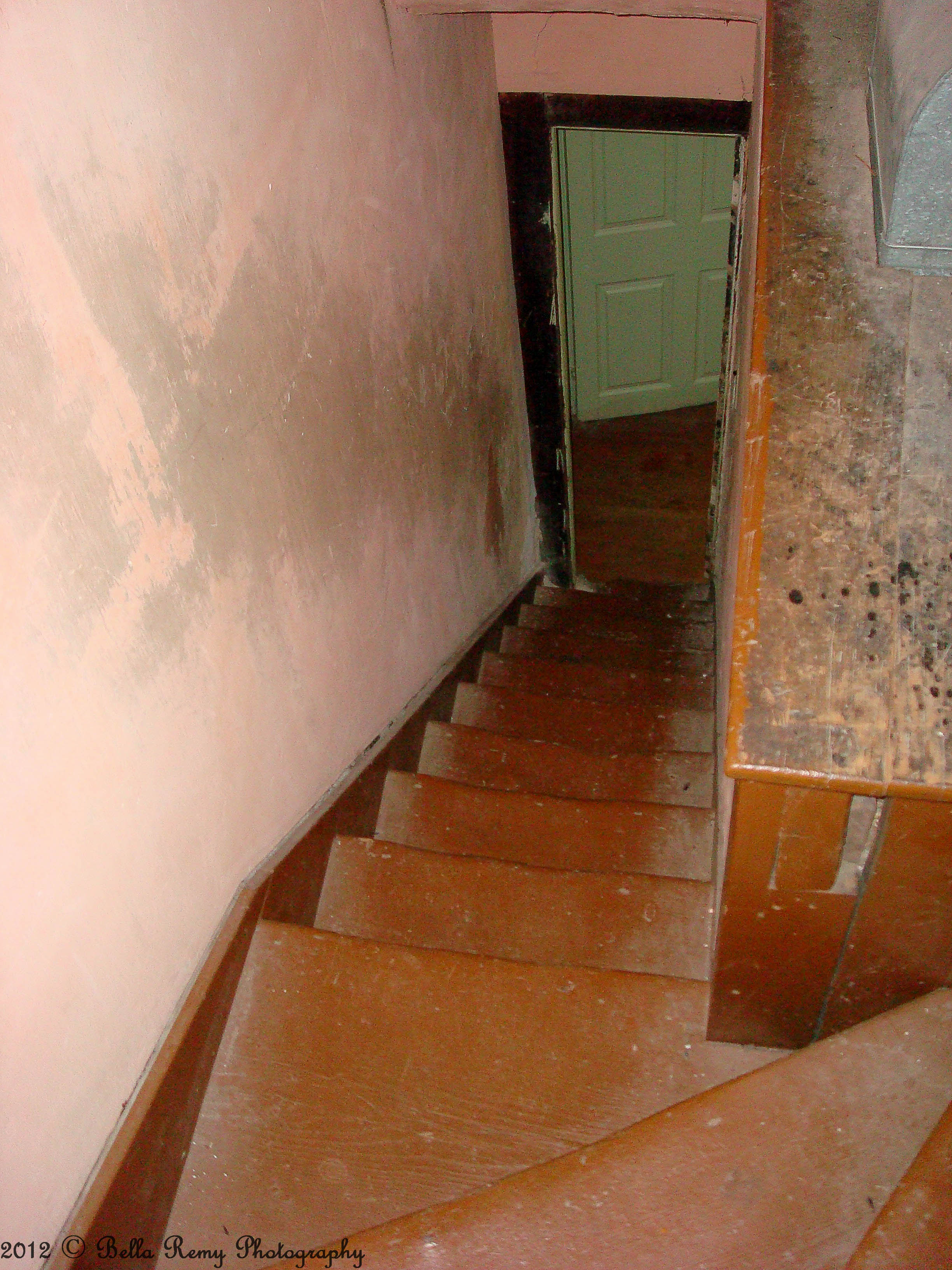
Small Staircase leading from Kitchen to Slave’s Quarters
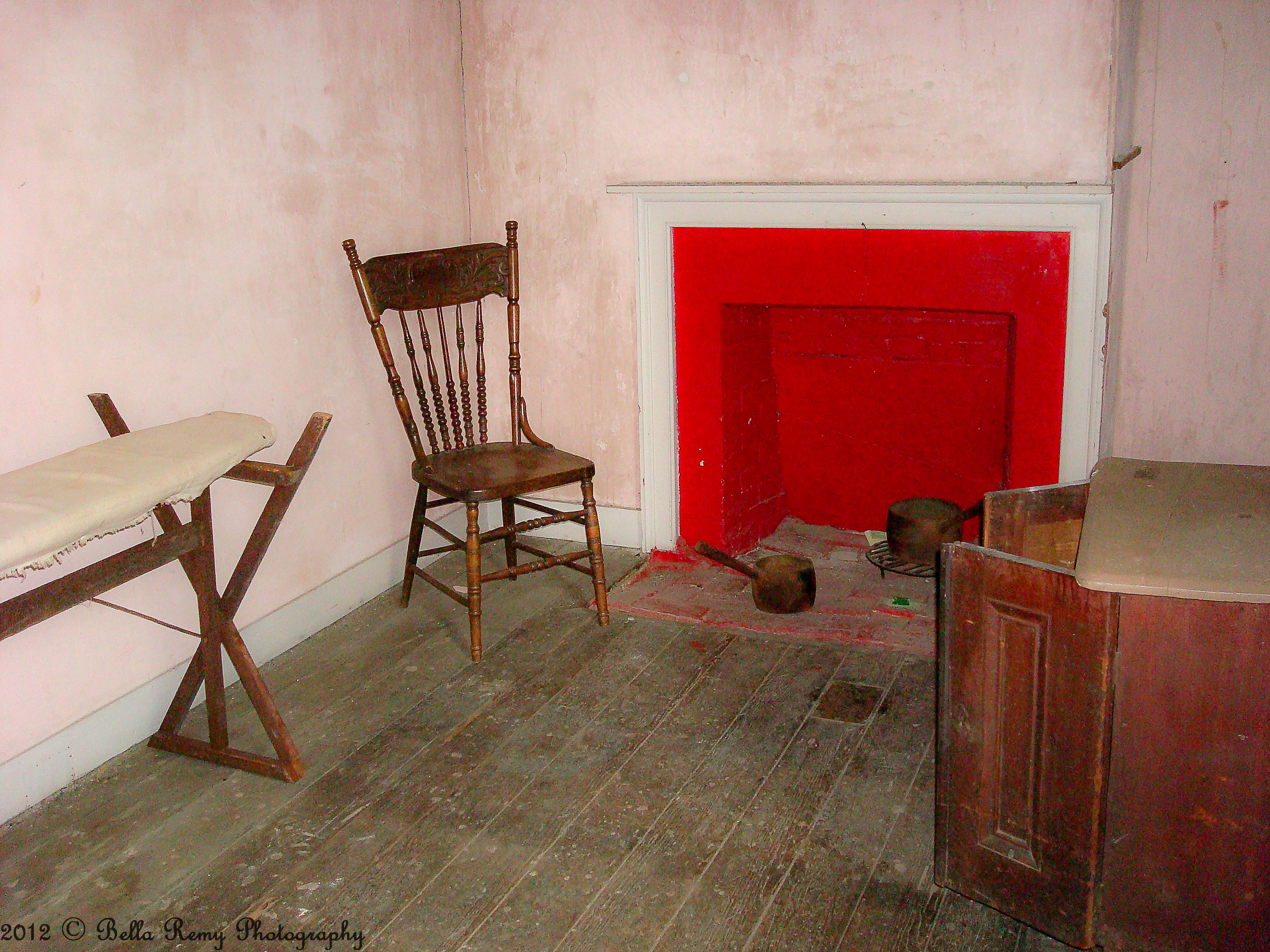
Sitting Room for Slaves

Stair ladder to sleeping quarters

Attic for Slave Dormitory
Categories: All about Hoofbeats & Footprints, Foot Prints


 Emily Carter ~ Nature as Art
The photos are stunning, the commentary insightful and poignant. Thank you for sharing your history.
Thank you Stephanie ! I’m one of the lucky ones that can walk in the footsteps of my ancestors. Truly special.
Beautiful photos – thanks for sharing!
Thank you so much ! Great seeing you again.
Excellent example of a successful mill. Good read.
Thank you so much Earthstation. This is a great grist mill and is still operational. During the summer months it’s open to visitors on the weekends. Thanks for stopping by.
I was ready to pack up and sit in the yard dreaming of a romantic time until I saw the servent quarters which slammed me back to earth.
I am all coflict now. At 5:30 in the morning.
Great post.
I had to laugh when I read your comments. Sorry to put you in such a conflict so early in the morning. Should have put a warning label on it! Hope your day gets better!
Nothing like have an existential crisis before your first cup of coffee. 🙂
Beautiful photos! Great commentary to go with them as well. I will have to put this on my list of places to visit! Thanks for sharing!
You are so very kind Michael. Susquehanna State Park is a great place to visit. Particularly when the Blue Bells are in season – which is coming up soon!
It was a real treat to revisit the Carter Mansion and Grist Mill. Beautiful pictures! We have visited the area several times as John Carter was my 3rd g g father.
Welcome Cousin ! It’s wonderful to meet a descendant of this John Carter. I’ve done quite a bit of genealogy research back to our immigrant patriarch George Carter from Bucklebury.
Are you from the area? Please drop me a line, would love to chat about this. bella20remy@aol.com
Just came across your entry again. Hope we can keep in touch. The Park is doing a good job keeping the house and mill in operation. We live in Germantown (Philadelphia) so not too far away.
This is wonderful news, as it has been some time since I’ve visited. Great hearing from you and hope all is well.